 5.0 Excellent
.jpg?alt=media&token=e0341fe3-f925-459d-95ed-865a1c58d28f)
.jpg?alt=media&token=78a98fb5-ba37-4de7-ba5d-a0df7db6f0a1)
.jpg?alt=media&token=019d3c22-4024-4baa-8456-ce67e18f8093)
.jpg?alt=media&token=54f63274-fd16-42bc-a066-3de34e9d7f06)
.jpg?alt=media&token=d4e63c58-b6b9-43df-ba42-43495de8014c)
.jpg?alt=media&token=047105f2-9bcc-4a55-8ea3-64bcfd2242f3)
.jpg?alt=media&token=f04f6a2d-a7c3-4ed7-9edf-078c98f9476b)
Dorine M1 year ago

Grateful experience
As a solo female traveler, I felt super safe and well taken care of the entire time.
Read more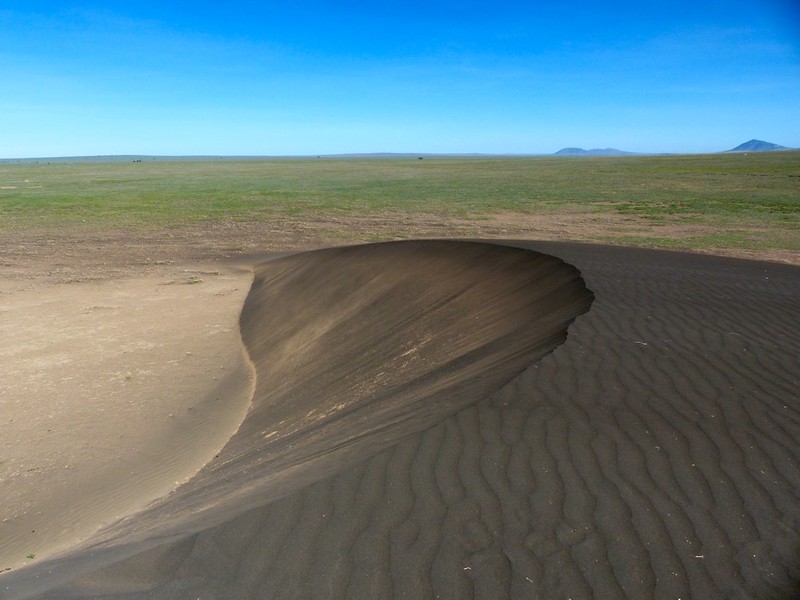
Northern Tanzania — Olduvai area, Ngorongoro Conservation Area
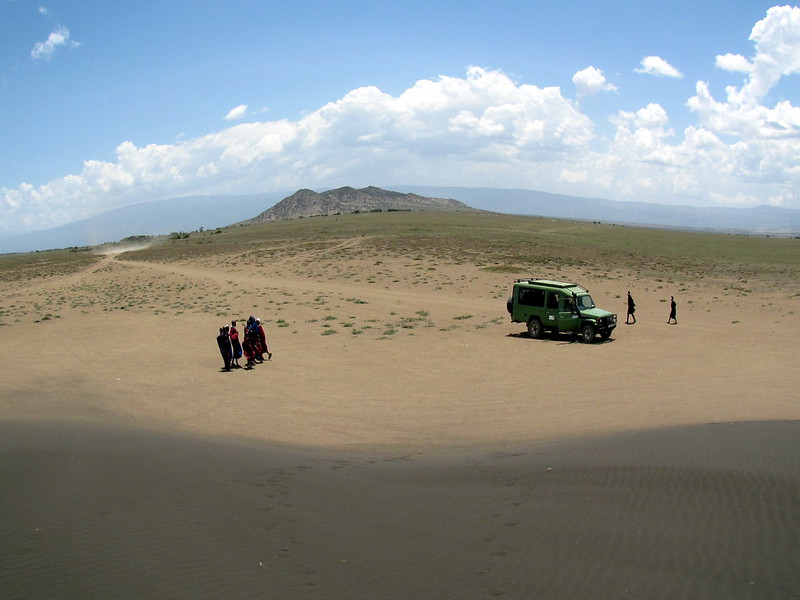
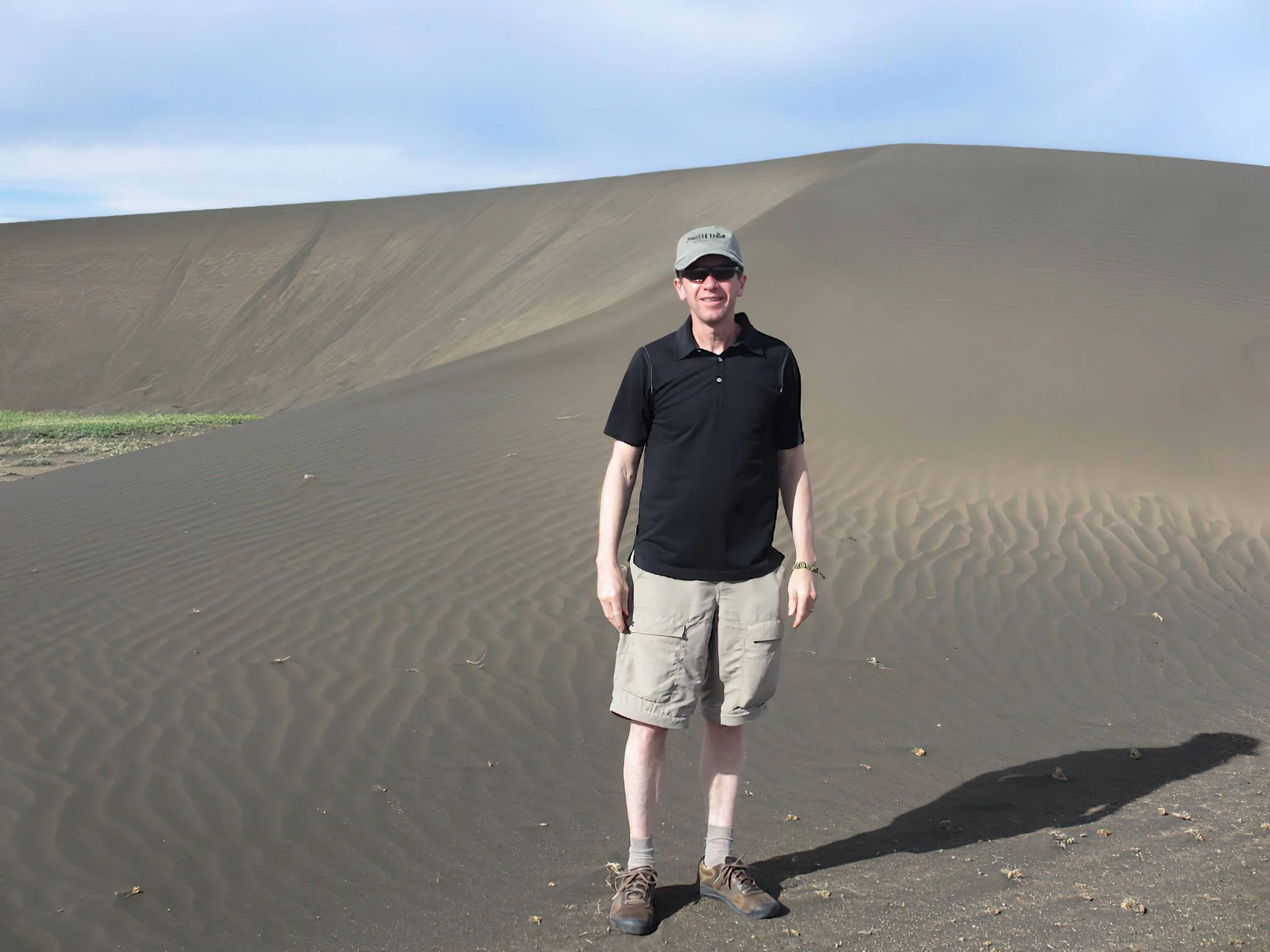
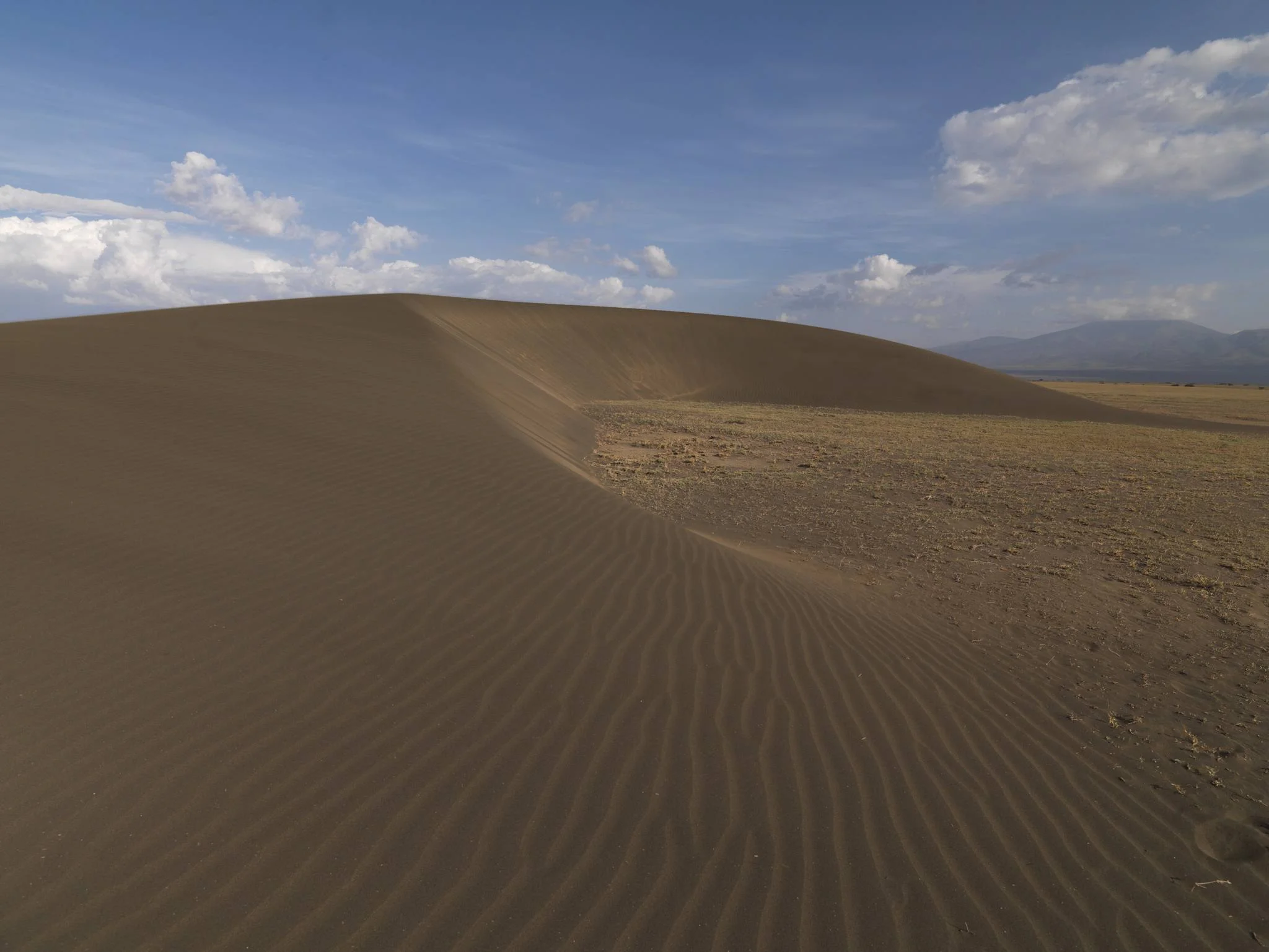
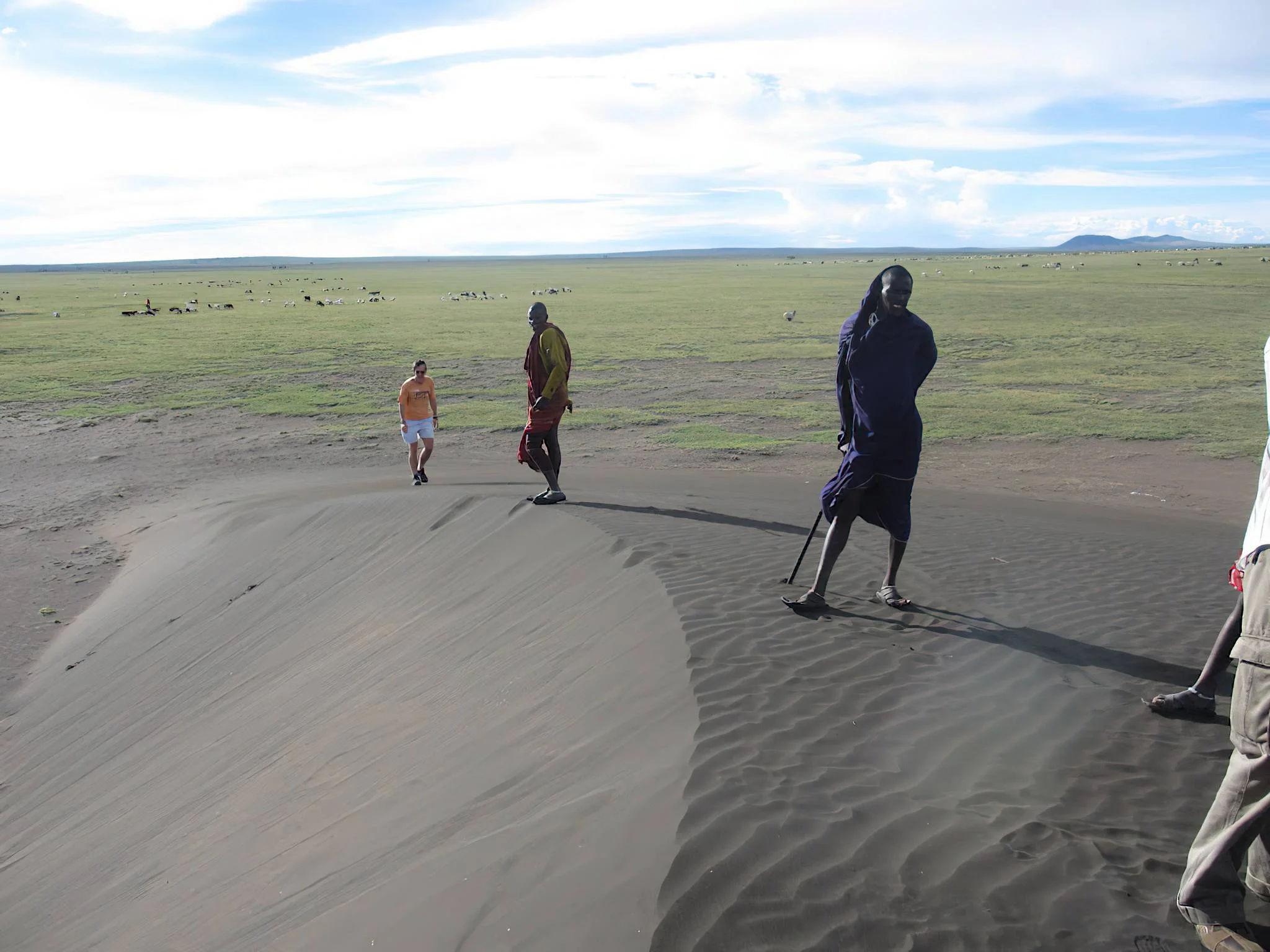
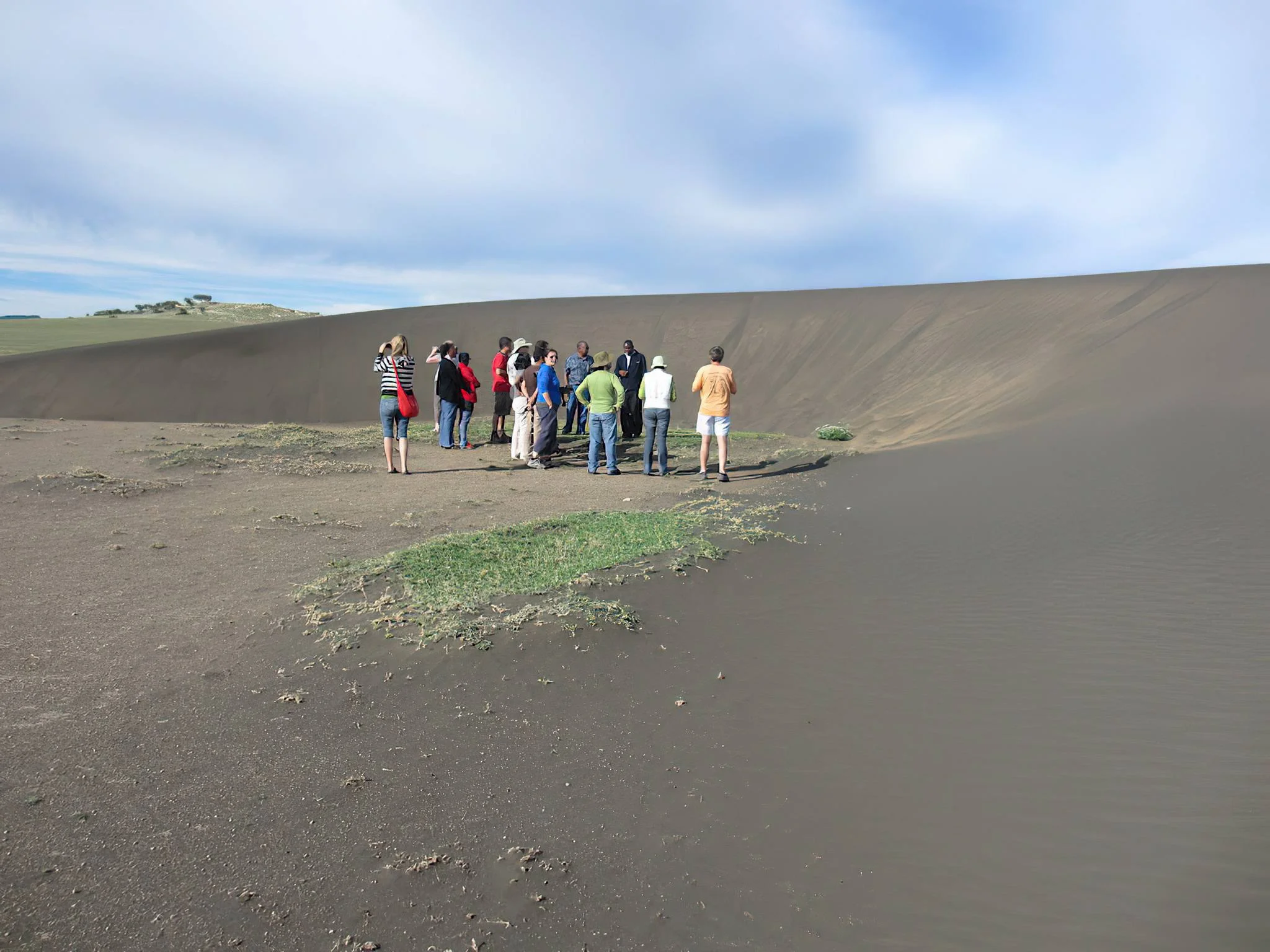
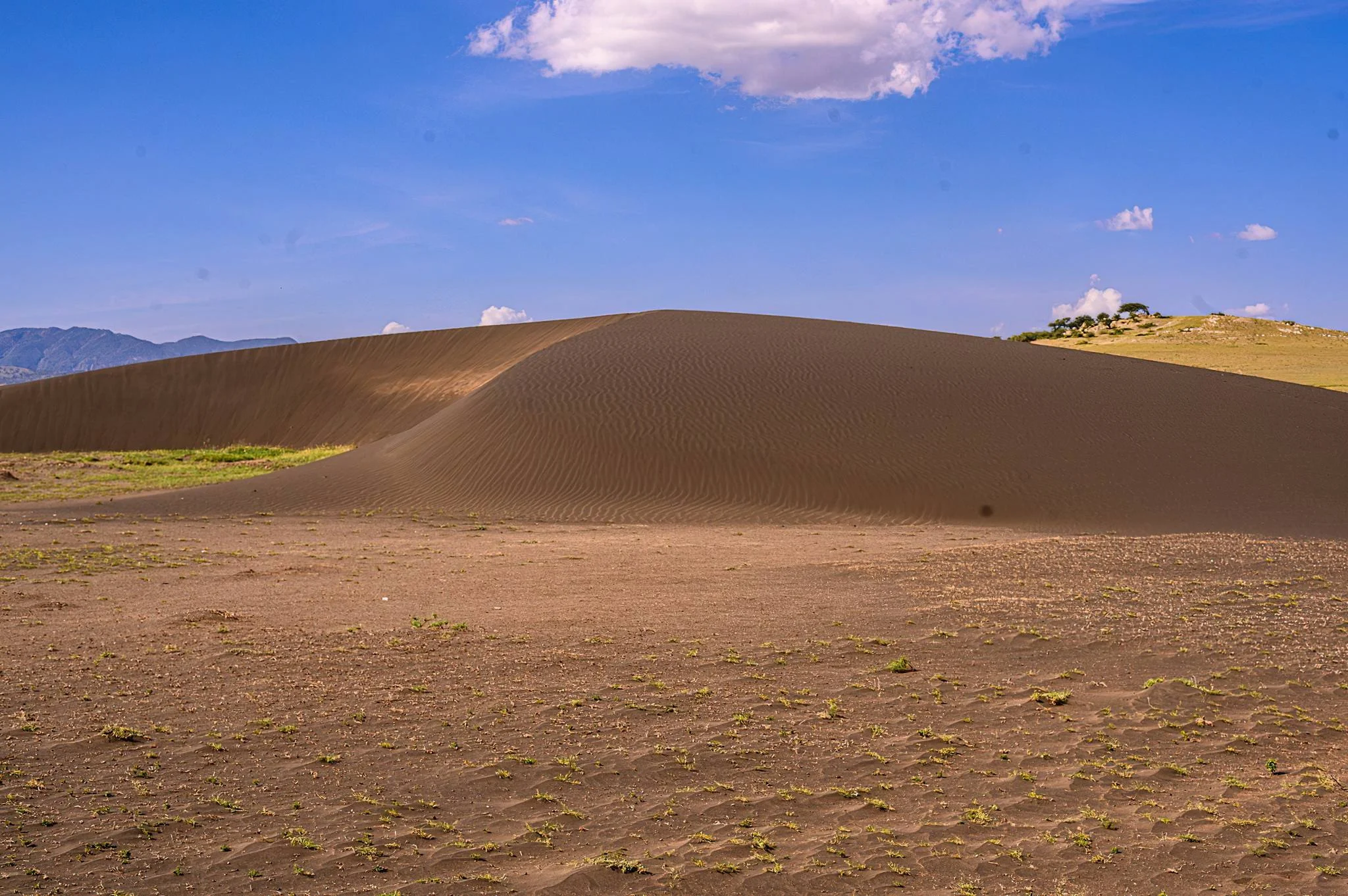
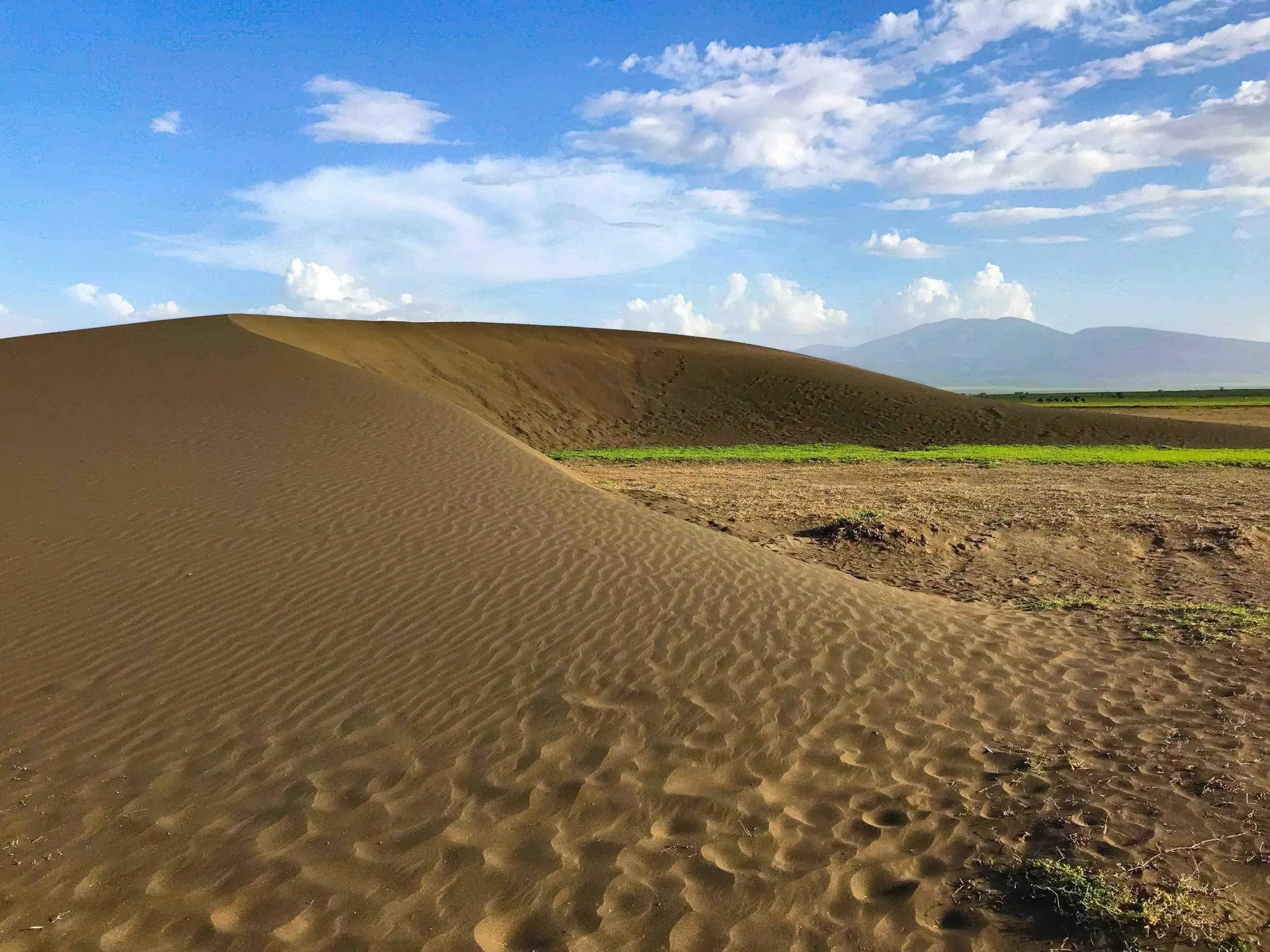
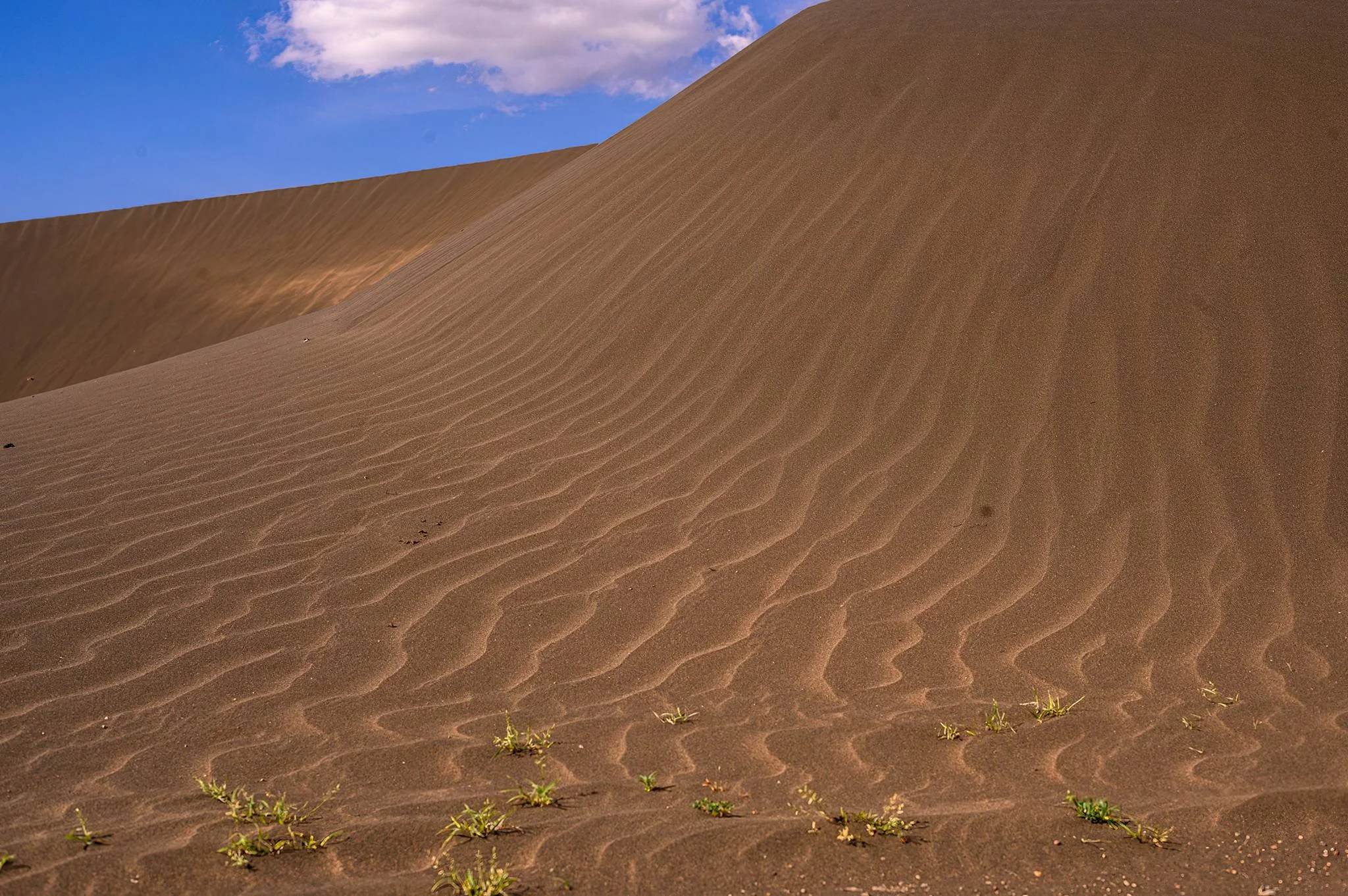
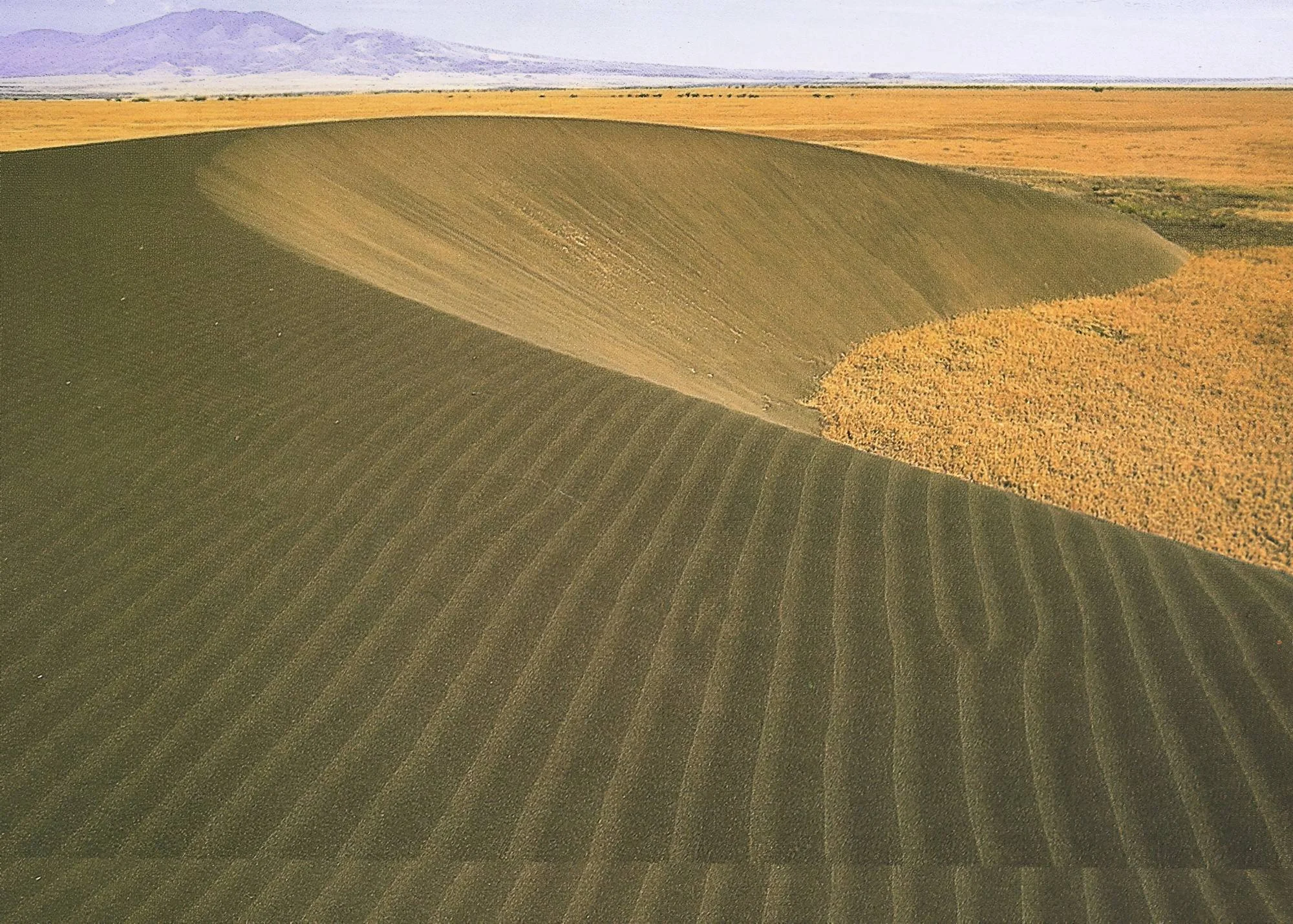
Shifting Sands is one of northern Tanzania’s most unusual geological sights: a solitary crescent-shaped dune of dark volcanic sand set against the open plains near Olduvai Gorge. Located within the Ngorongoro Conservation Area, it adds an unexpected chapter to a safari through the Olduvai and Serengeti landscapes. The attraction is the contrast between the dune’s sculpted form, its rippled surface and the wide horizon, together with the story of how volcanic material and prevailing winds created a landform that continues to migrate. This is a barchan dune, a type of crescent-shaped dune formed where sand is limited and winds blow predominantly from one direction. Wind carries grains up the more gently inclined windward surface. At the crest, grains settle and slip down the steeper sheltered face, gradually advancing the dune while it retains a recognisable overall shape. Its horns extend in the direction of movement. Changes in wind strength, moisture and the supply of loose material influence its shape and progress; a photograph captures one moment in a continuing natural process. The dark colour comes from volcanic material containing iron-rich minerals, including magnetite. The Ngorongoro Geopark associates the material with an ash layer originating from Ol Doinyo Lengai. Over time, wind removed lighter particles and concentrated heavier grains into the distinctive dark dune. Some grains respond to a magnet, which makes a guide-led demonstration particularly memorable if permitted. Magnetism is a property of the material; wind transport and sorting explain the dune’s formation and movement. Leave the sand and other natural material in place. Shifting Sands moves gradually westward across the plains. Historic measurements describe its progress over years, but its speed is not a fixed annual promise and its present location should be checked locally. You will not normally see the whole dune visibly travel during a short visit. What you can appreciate is the finely textured surface, the difference between its two slopes and the relationship between the crescent and the prevailing wind. Avoid relying on an old map pin or treating published height and width figures as permanent measurements. A visit is best arranged as a guided vehicle excursion from the Olduvai area, using a suitable safari vehicle and a driver who can confirm the current position, permitted approach and track conditions. The dune lies northwest of the Olduvai Museum, but visiting it is a separate excursion rather than something automatically included in a museum stop. Allow sufficient time for the drive, a geology explanation and photographs. A short site visit can fit into a wider safari day when access is practical, while the complete excursion takes longer because of the approach. Plan the timing around your route rather than a guaranteed transfer duration. The generally drier months from June to October often provide a practical window for travelling on the surrounding tracks. January and February can also suit an excursion between the wetter periods. Long rains commonly occur from March to May, while shorter rains may affect the region from October to December. Rain can make tracks muddy, reduce access and alter the appearance of the surrounding plains; weather varies from year to year. Dry conditions can bring dust, exposed heat and strong wind, so carry water, sun protection and a light wind layer. Protect cameras and lenses from blowing sand. This destination suits travellers interested in geology, photography and the broader story of the northern Tanzanian landscape. Children can enjoy discovering how dunes form, provided they remain closely supervised and follow the guide’s instructions. The sandy, uneven ground and remote approach may be difficult for visitors with limited mobility. Discuss the distance from the vehicle, available viewing positions and assistance before booking. Any extended walking activity in the conservation area requires advance arrangements, including the applicable ranger support; confirm what is required for the specific excursion. Do not wander independently across the plains. Pair Shifting Sands with the Olduvai Gorge and Museum to connect geological change with the region’s archaeological significance. Nasera Rock may also be considered as part of a carefully planned geological itinerary, subject to routing, access and time. Visits can complement a Ngorongoro and Serengeti safari, but a Ngorongoro Crater descent is a separate activity with its own arrangements. Wildlife may be encountered on the journey, yet Shifting Sands is primarily a geological stop and sightings are never guaranteed. Plan accommodation at authorised lodges or camps elsewhere along your safari route. Do not assume there are visitor facilities, toilets, refreshments or camping services at the dune itself. Confirm the last suitable comfort stop and any permitted picnic arrangements before leaving. Ask for a current quotation that identifies conservation-area access, the vehicle excursion, guide services and any walking or ranger requirements. Approach quietly, keep vehicles to permitted tracks, follow local instructions about where to stand, and preserve the dune for the visitors who come after you.
March–May: the long-rain period can make the plains lush but tracks muddy or difficult to use. An excursion depends on current road conditions and local permission. Keep plans flexible and allow the guide to change the approach or defer the stop if conditions require. There is no guaranteed low-season access or crowd level.
January–February and the transition periods around the rains can offer useful visiting opportunities. October–December may bring short rains, with variable track conditions and changing skies. Check the latest local conditions rather than relying on calendar dates. Morning or later-day light may suit photography when it fits the permitted route.
June–October is generally the drier period and often the most practical time for a plains excursion. Expect exposed sun, wind and possible dust; carry water and protect camera equipment. These months overlap popular northern-safari travel periods, so arrange your guide, vehicle and accommodation ahead. The dune’s exact condition and access still need local confirmation.
Shifting Sands lies on the plains northwest of the Olduvai Gorge and Museum, within the Ngorongoro Conservation Area in northern Tanzania. Arrange the excursion with your safari guide as an additional stop on a permitted Olduvai-area route; it is separate from a museum visit and from a Ngorongoro Crater descent. Most international visitors begin a northern Tanzania itinerary via Kilimanjaro International Airport, with Arusha serving as a common safari departure point. Travel onward in a suitable safari vehicle as part of a planned Ngorongoro–Olduvai–Serengeti itinerary. There is no fixed public-transport connection or reliable permanent dune coordinate to use independently. The dune migrates, so the driver should confirm its current location, permitted tracks and weather conditions with local authorities or knowledgeable staff. Drive time depends on the starting lodge, safari route, track conditions and the dune’s current position. Ask for a route-specific estimate and allow extra time for the geology explanation, photographs and any earlier Olduvai visit. Conservation-area entry and any activity arrangements must be confirmed before travel. For extended walking, arrange the necessary guide, permission and armed ranger support in advance. Discuss mobility needs, distance from the vehicle, comfort stops and permitted picnic arrangements; do not assume facilities exist at the dune.
Shifting Sands is an isolated crescent-shaped dune of dark volcanic material near Olduvai Gorge. Wind continually reshapes it and moves it gradually across the surrounding plains, making it a distinctive geological stop on a northern Tanzania safari.
It lies northwest of the Olduvai Gorge and Museum on the plains within the Ngorongoro Conservation Area. Because the dune migrates, its exact position should be confirmed locally rather than taken from an old map pin.
The Shifting Sands site is within the Ngorongoro Conservation Area, near the eastern Serengeti plains. The conservation area and Serengeti National Park have different access arrangements; your itinerary should account for the areas actually entered.
A barchan is a crescent-shaped dune that forms where the supply of sand is limited and the dominant wind comes mainly from one direction. It has a gentler windward slope, a steeper sheltered face and horns that extend in the direction of movement.
The dune contains dark volcanic grains enriched in iron-bearing minerals, including magnetite. Wind sorting has removed lighter material and concentrated heavier grains, producing a striking contrast with the surrounding plains.
Some grains contain magnetite and can respond to a magnet. A guide may demonstrate this if permitted. The dune is shaped and moved by wind; it is inaccurate to say magnetism locks the whole dune together or stops grains from being transported.
The Ngorongoro Geopark associates the dune’s material with an ash layer originating from Ol Doinyo Lengai. Subsequent wind transport and sorting concentrated the heavier volcanic grains into the moving dune seen today.
Wind carries grains up the windward slope and over the crest. Grains then accumulate and slip down the sheltered face. Repeating this process slowly advances the dune while preserving an overall crescent form.
Historic measurements show gradual movement over years, but the annual rate varies with conditions and the period measured. Treat published speeds as historical observations rather than a guaranteed current rate.
Usually no. Its overall migration is too gradual to watch during a brief stop. Surface ripples, windblown grains and the contrast between slopes help a guide explain how movement occurs over time.
Arrange a separate excursion with a knowledgeable safari driver in a suitable vehicle. The driver should confirm the dune’s current location, the permitted approach and track conditions. A museum visit does not automatically include access to the dune.
Allow time for the approach drive, a short guided explanation and photographs, plus the return or onward journey. The full duration depends on your starting point, route and current access. Request a realistic itinerary-specific estimate instead of relying on a fixed transfer time.
Generally drier conditions from June to October often make track travel easier. January and February may also work well. Long rains from March to May and shorter rains around October to December can affect access, so current local conditions matter more than the month alone.
A knowledgeable guide or safari driver is strongly recommended for location, interpretation and permitted access. Extended walking activities in the conservation area require advance arrangements and armed ranger support. Confirm the requirements for your particular vehicle stop or walking excursion before travel.
Follow the guide’s instructions about where to stand and whether any supervised mineral demonstration is permitted. Leave sand and other natural material at the site. Collecting a souvenir removes part of the attraction and should not be part of your visit.
Do not assume climbing or recreational use is permitted. Ask the guide which viewing positions are appropriate for the day. Plan this as a geological and photography excursion, and avoid sandboarding, driving on the dune or any activity that disturbs its form.
Children can enjoy a supervised geology stop, but they should stay close to adults and follow the guide. Uneven sandy ground and a remote vehicle approach may present mobility challenges. Discuss viewing from or near the vehicle, walking distance and assistance before confirming the excursion.
That depends on the quoted itinerary. Ask for a current breakdown covering conservation-area access, vehicle transport, guide services and any applicable activity, walking or ranger charges. Do not assume every Olduvai or safari booking includes a Shifting Sands excursion.
Olduvai Gorge and Museum make a natural pairing, connecting the landscape with archaeology and early human history. Nasera Rock may suit a longer geological route when practical. The stop can also complement a Ngorongoro–Serengeti safari; crater descent is a separate activity.
Bring drinking water, a hat, sunscreen, closed shoes, a light wind layer and protection for cameras against dust. Do not assume toilets, refreshments or camping services exist at the dune. Arrange comfort stops, authorised accommodation and any permitted picnic with your guide in advance.
Grateful experience
As a solo female traveler, I felt super safe and well taken care of the entire time.
Read morePrivate Safari 6 days
I can only highly recommend the young company Tanzalux for organizing a private safari.
Read moreAn unforgettable vegetarian journey with Tanzalux Safaris
I highly recommend Tanzalux for anyone wanting a special, personalized safari.
Read moreOur 3-day camping safari with Tanzalux was simply fantastic! Everything was perfectly organized.
Read moreBack in April, I joined a day trip to Tarangire National Park with Tanzalux Safaris, and it was truly one of the best experiences I have ever had…
Read moreI've had an amazing experience with Tanzalux Safaris, would 1000% recommend! Thank you for making my trip so special🫶
Read moreI recently visited Meru Waterfalls in Arusha and got to do some of the activities there, honestly it was such a great experience and I really enjoyed it.
Read moreOur guide Dullah Mr Rastaman had the best vibe. I would like to recommend other people not to miss it, Tarangire is the best national park.
Read moreOur tour guide Nasri was very friendly and welcoming from the first day we met him. He knows Tarangire very well and explained many things during the safari.
Read moreAs a grandmother in the group, I would like to share my happiness with Tanzalux Safaris. Me, my daughters, and my grandson went on a short trip to Tarangire National Park…
Read moreReceive a free, no obligation quote

 northern circuit
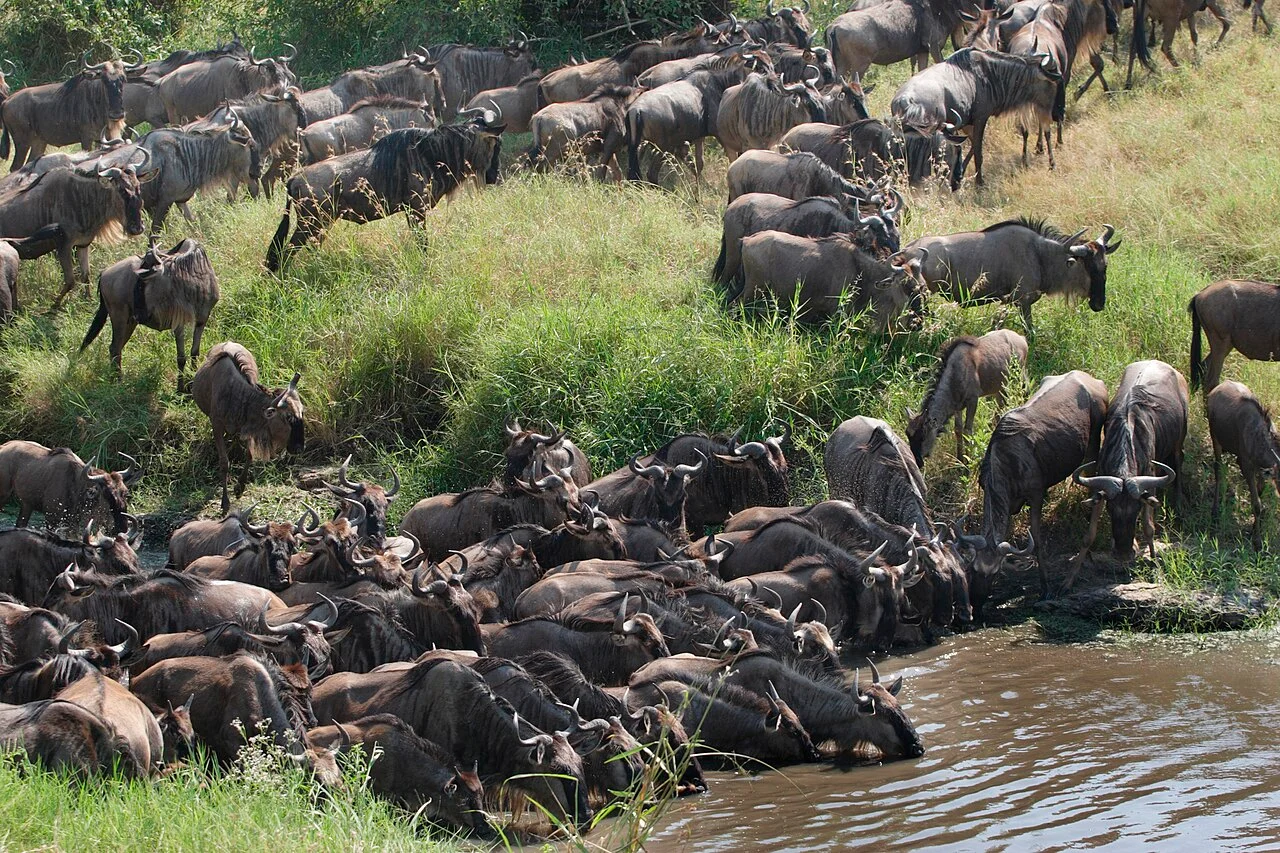
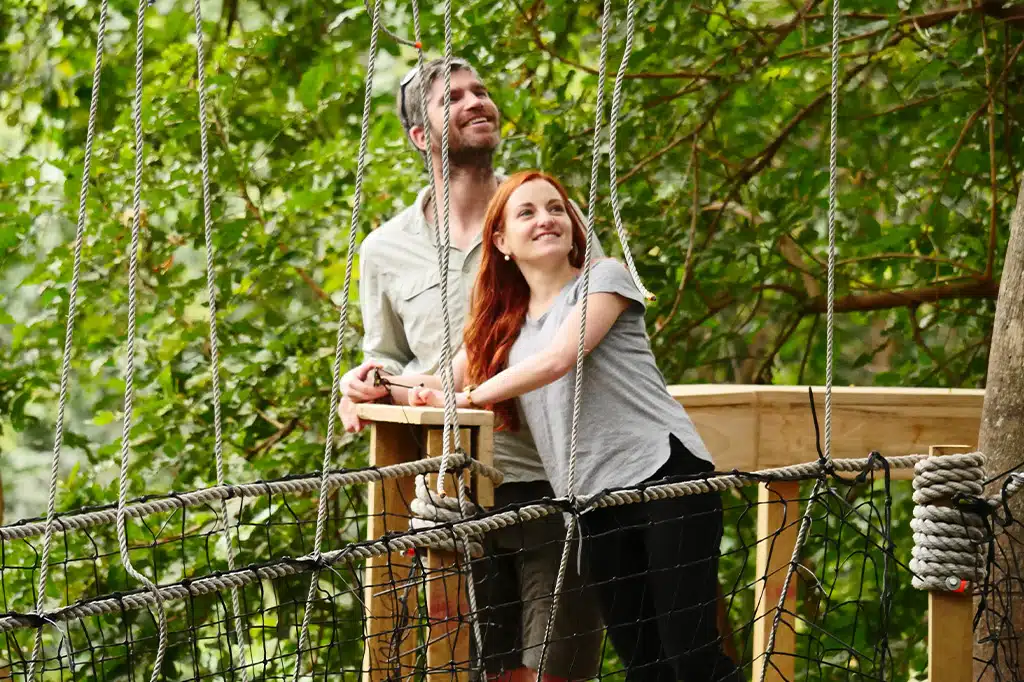
North Serengeti is one of the most captivating regions of Serengeti National Park in northern Tanzania. Located near the border with Kenya and extending toward the Mara River and the Lamai area, this remote wilderness is celebrated for its dramatic landscapes, abundant wildlife, and connection to the annual Great Wildebeest Migration. Unlike the wide, open plains of southern and central Serengeti, North Serengeti features rolling hills, granite kopjes, acacia woodlands, riverine vegetation, valleys, and open savannah. This varied environment creates habitats for a wide range of wildlife, including elephants, lions, leopards, cheetahs, buffaloes, giraffes, zebras, wildebeest, topi, gazelles, hippos, hyenas, and numerous bird species. The region is especially famous for the Mara River, where migrating wildebeest and zebras may attempt to cross during their seasonal movement through the Serengeti-Mara ecosystem. These crossings are among Africa’s most dramatic wildlife spectacles, but they are entirely natural and unpredictable. Animals may gather at the river for hours or days, change direction, or decide not to cross at all. North Serengeti also includes the Lobo Valley, an area known for its rocky scenery, resident wildlife, and opportunities to observe large predators. The region’s relative remoteness can provide a quieter safari atmosphere, although visitor numbers may increase around popular migration periods. A North Serengeti safari is ideal for travellers seeking dramatic wildlife encounters, photography opportunities, remote landscapes, and a deeper exploration of Tanzania’s northern safari circuit. TanzaLux Safaris can design a private safari that combines North Serengeti with Central Serengeti, Ngorongoro Crater, Tarangire National Park, or other destinations according to the season and your interests.
Wildlife
Wildebeest & Zebra
Landscape
Wildlife Safari / Great Migration / Mara River / Big Five Safari / Luxury Safari / Remote Wilderness / Photography / Game Drives
Highlights
Experience the remote wilderness of northern Serengeti
 Southern Tanzania
Udzungwa Mountains National Park is one of Tanzania's most distinctive protected areas and one of the country's strongest destinations for hiking, rainforest exploration, waterfalls and endemic wildlife. Located within Tanzania's ancient Eastern Arc Mountains, Udzungwa protects approximately 1,990 square kilometres of forest, woodland, bamboo, mountain ridges, streams and highland habitats. Unlike Tanzania's famous savanna parks, Udzungwa is best explored on foot. A network of trails leads through dense rainforest, across streams and up forested slopes to waterfalls and viewpoints overlooking the Kilombero Valley. The most famous attraction is Sanje Waterfall, where a series of cascades falls dramatically through forested cliffs. The trail to Sanje combines rainforest walking, birdwatching, primate sightings, panoramic viewpoints and natural pools. Udzungwa is also internationally important for biodiversity. The park protects species that occur nowhere else or have extremely restricted ranges. The Udzungwa red colobus and Sanje mangabey are two of the park's flagship primates. Other monkeys include blue monkeys and vervet monkeys, while forest mammals, duikers, bushbuck, galagos and genets occur across different habitats. Birdlife is exceptional. TANAPA currently reports more than 400 recorded bird species, including Eastern Arc forest specialists, sunbirds, greenbuls, raptors and other species associated with mountain forests. The park's biodiversity reflects the extraordinary age and isolation of the Eastern Arc Mountains. These ancient forested mountain blocks have been separated from surrounding lowlands for millions of years, allowing many unique plants and animals to evolve. Udzungwa also protects important water catchments. Mountain streams and forested watersheds feed surrounding valleys and communities, making forest conservation important far beyond the park boundary. For travelers, Udzungwa provides an excellent contrast to wildlife safaris in Mikumi, Nyerere or Ruaha. A journey can move from open savanna and big mammals to rainforest, waterfalls, primates and mountain trekking. With TanzaLux Safaris, Udzungwa can be included as a private hiking and nature experience or combined with Mikumi National Park and other Southern Tanzania destinations.
Wildlife
Udzungwa red colobus & Sanje mangabey
Landscape
National Park / Rainforest / Hiking & Trekking / Waterfalls / Primate Watching / Birdwatching / Biodiversity Hotspot / Eastern Arc Mountains / Photography / Southern Tanzania Safari Circuit
Highlights
Sanje Waterfall
 northern circuit
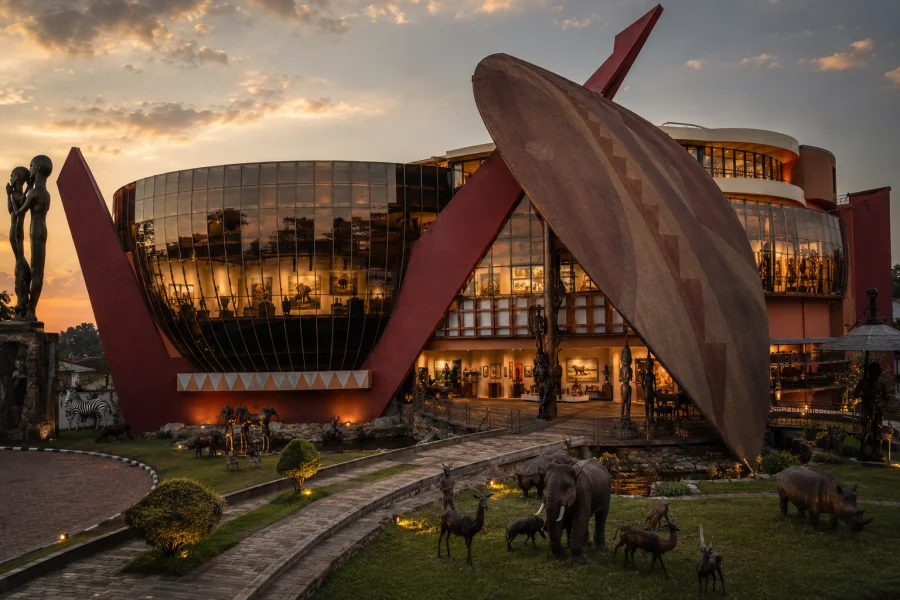
Cultural Heritage Centre Arusha is a celebrated cultural and artistic destination located on Dodoma Road in Arusha, Tanzania. Established in the 1990s, the centre has developed from a gallery into a broad cultural complex where visitors can discover African art, traditional craftsmanship, gemstones, jewelry, cultural collections, and creative workshops. The centre offers travelers an opportunity to experience a different side of Tanzania beyond wildlife and landscapes. Its galleries display a wide range of African artistic expressions, including paintings, sculptures, traditional objects, Makonde carvings, and colourful Tinga Tinga artwork. Visitors can also explore handmade crafts, textiles, baskets, carvings, decorative pieces, and other objects connected to African artistic traditions. One of the centre’s major attractions is its gemstone and jewelry section, where visitors can learn about Tanzanian gemstones such as tanzanite and explore jewelry designs created by skilled artisans. Tanzanite, a rare blue gemstone associated with northern Tanzania, is an important part of the country’s mineral and jewellery heritage. The Cultural Heritage Centre also offers opportunities to observe or participate in selected creative activities, including beadwork, painting, weaving, and other craft experiences, depending on the current programme and availability. For safari travelers, the centre is a convenient cultural stop before or after visiting Tarangire National Park, the Ngorongoro Crater, Serengeti National Park, or other northern Tanzania destinations. It can also be combined with an Arusha city tour, Mount Kilimanjaro itinerary, Materuni Waterfalls, or Chemka Hot Springs. With TanzaLux Safaris, visitors can include the Cultural Heritage Centre in a private and personalized Tanzania itinerary designed around their interests, schedule, and travel style.
Wildlife
African elephants represented in art and sculpture & Giraffes represented in African paintings and carvings
Landscape
Cultural Attraction / Art Gallery / Museum / Shopping Experience / Gemstone Centre / Cultural Tourism / Day Trip
Highlights
Explore an extensive collection of African paintings, sculptures, and contemporary artwork.
 Northern Circuit
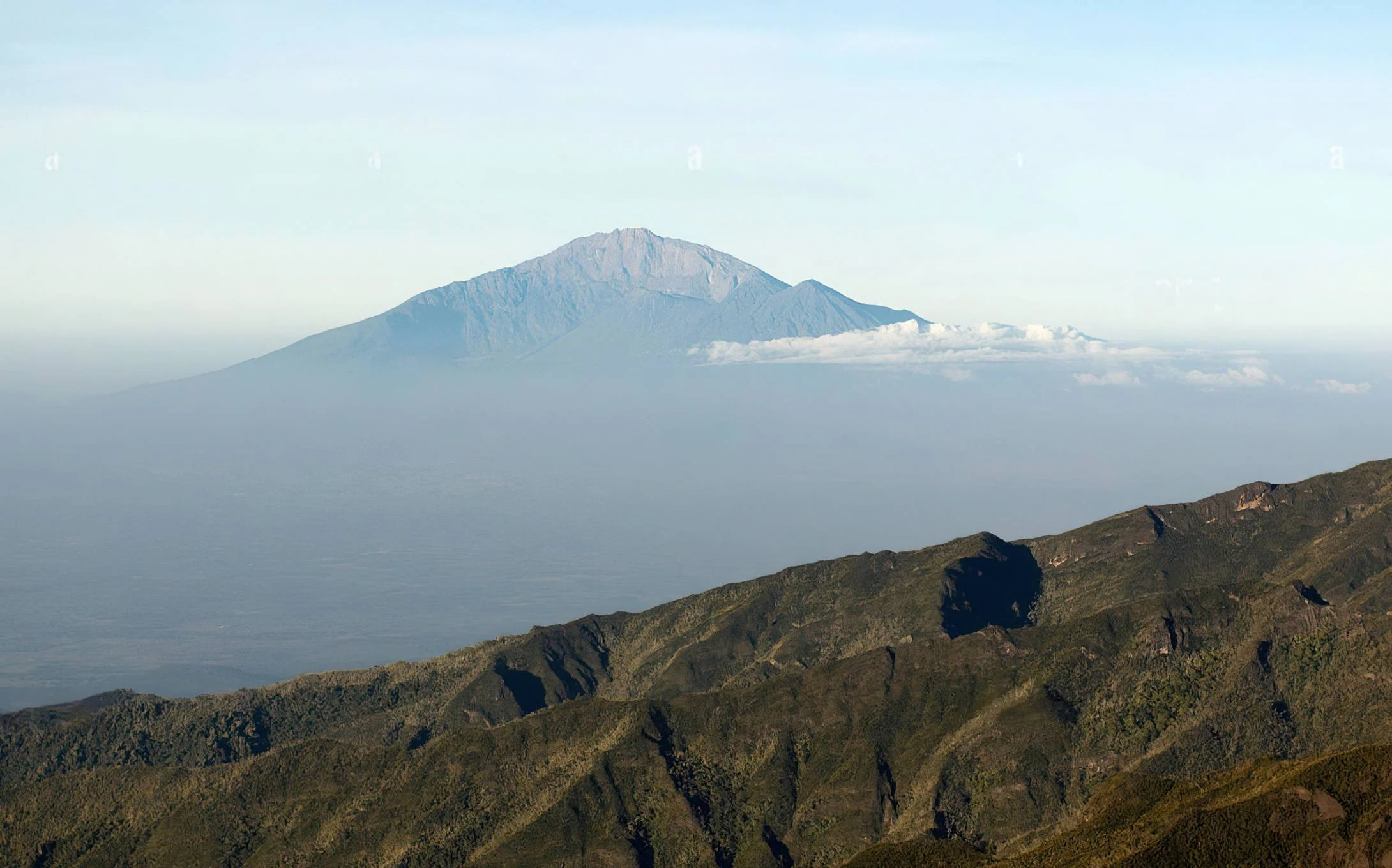
Mount Meru is one of Tanzania’s most impressive natural landmarks and a remarkable destination for travellers seeking adventure, dramatic landscapes, and a deeper connection with nature. Rising to approximately 4,566 metres above sea level, Mount Meru is Tanzania’s second-highest mountain and the dominant geological feature of Arusha National Park. Located close to Arusha city, Mount Meru offers an extraordinary contrast between accessibility and wilderness. Within a relatively short distance of the city, travellers can move from open savannah and wildlife-rich grasslands into dense montane forest, giant heather zones, moorland, volcanic ridges, and high-altitude terrain. The mountain is an active stratovolcano with a distinctive horseshoe-shaped crater formed by a major collapse of its eastern side. This geological structure creates dramatic cliffs, deep valleys, volcanic formations, and spectacular views from the summit ridge. The mountain’s highest point, known as Socialist Peak, offers expansive views of the surrounding landscape and, on clear mornings, Mount Kilimanjaro in the distance. The standard Mount Meru trek follows the Momella Route and generally takes three to four days, although a four-day itinerary is commonly preferred because it allows more time for acclimatisation. The trek begins at Momella Gate in Arusha National Park and passes through several ecological zones, including open woodland, montane rainforest, heathland, moorland, and alpine desert. One of the unique features of Mount Meru is the possibility of encountering wildlife during the lower sections of the trek. Depending on park conditions and animal movements, trekkers may see giraffes, zebras, buffaloes, antelopes, monkeys, and other wildlife. Because the route passes through wildlife habitat, an armed park ranger is generally required for the initial sections of the trek under park regulations. Mount Meru is not simply a mountain-climbing destination. It is also a journey through Tanzania’s volcanic history, forest ecosystems, wildlife habitats, and highland scenery. Trekkers can explore the mountain’s crater rim, visit Little Meru, admire the Ash Cone from suitable viewpoints, and experience the changing landscapes that make this mountain unique. For travellers planning to climb Mount Kilimanjaro, Mount Meru may also be incorporated into a broader itinerary as part of a structured acclimatisation strategy. However, climbing Mount Meru does not guarantee success on Kilimanjaro, and every climber must still prepare properly for altitude, weather, and physical demands. With TanzaLux Safaris, your Mount Meru adventure can be tailored around your interests, fitness level, travel schedule, and wider Tanzania itinerary. You can combine your mountain trek with a safari in Arusha National Park, a visit to Materuni Waterfalls, a relaxing experience at Chemka Hot Springs, or a longer Northern Tanzania safari featuring Tarangire, Ngorongoro, and Serengeti.
Wildlife
African Buffalo & Giraffe
Landscape
Mountain Trekking / Volcano / Hiking / Wildlife / Adventure
Highlights
Socialist Peak
 Northern Circuit
Arusha National Park is one of northern Tanzania's most diverse and accessible national parks, located close to Arusha city and dominated by the dramatic presence of Mount Meru. Covering approximately 552 square kilometres, the park combines montane forest, open grasslands, volcanic landscapes, crater scenery and the beautiful Momella Lakes within a relatively compact area. Unlike Tanzania's famous big-game parks, Arusha National Park is best known for the variety of experiences it offers. Travelers can explore the park by safari vehicle, discover wildlife on guided walking experiences, enjoy birdwatching around the forest and lakes, or experience a canoe safari on the Momella Lakes. Mount Meru, rising to 4,566 metres, forms the spectacular backdrop to much of the park. The mountain is also a major trekking destination in its own right and provides a quieter alternative for travelers seeking a multi-day mountain adventure. The park supports giraffes, buffaloes, zebras, warthogs, antelopes, blue monkeys, black-and-white colobus monkeys and abundant birdlife. The Momella Lakes are particularly scenic, with waterbirds and seasonal flamingos creating beautiful photographic opportunities. Arusha National Park is ideal for travelers arriving in Arusha, families looking for a shorter safari experience, photographers, birdwatchers, active travelers and visitors who want to combine wildlife with walking, canoeing and mountain scenery. With TanzaLux Safaris, Arusha National Park can be arranged as a private day safari, a walking and canoeing experience, or as part of a wider Northern Tanzania itinerary connecting Arusha, Mount Meru, Tarangire, Lake Manyara, Ngorongoro and Serengeti.
Wildlife
Giraffe & African Buffalo
Landscape
National Park / Wildlife / Walking Safari / Mountain & Lakes
Highlights
Mount Meru
 Northern Circuit
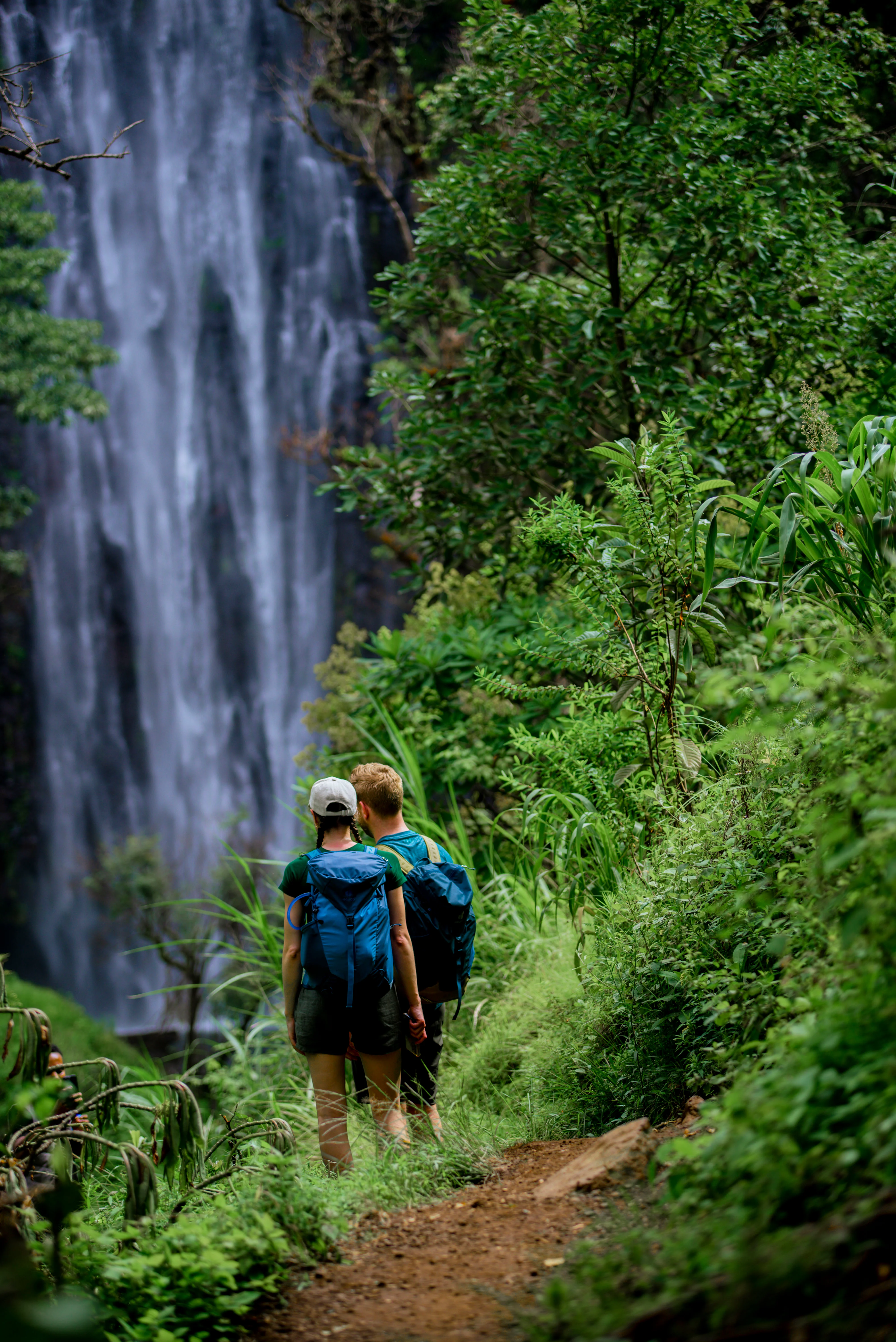
Materuni Waterfall is one of the most rewarding nature and cultural experiences near Mount Kilimanjaro, offering travellers a beautiful combination of hiking, waterfalls, coffee, Chagga culture and mountain scenery. Located in Materuni Village on the green southern slopes of Mount Kilimanjaro, approximately 15 kilometres from Moshi, the waterfall is reached by a scenic guided walk through the countryside. The trail passes through coffee farms, banana plantations, tropical vegetation and Chagga farmland before arriving at the impressive Materuni Waterfall, where water plunges into a natural pool surrounded by lush vegetation. The waterfall is commonly described as approximately 80 metres high, although published measurements vary. The journey to the falls is part of the experience, with local guides explaining the plants, farming practices, landscape and everyday life of the Chagga people along the way. Materuni is much more than a waterfall. A traditional coffee experience can introduce visitors to the journey from coffee cherry to cup, including harvesting, processing, roasting, grinding and tasting freshly prepared coffee. Visitors can also enjoy a traditional local meal and learn about Chagga culture and village life. With TanzaLux Safaris, Materuni Waterfall can be arranged as a private day trip from Moshi or Arusha and combined with a Chagga coffee experience, cultural visit or Chemka Hot Springs. It is also an excellent experience before or after a Mount Kilimanjaro climb. For travellers looking for authentic experiences beyond traditional wildlife safaris, Materuni offers a memorable opportunity to experience the landscapes, people, agriculture and culture of northern Tanzania.
Wildlife
Chameleons & Blue Monkeys
Landscape
Waterfall & Cultural Attraction
Highlights
Materuni Waterfall