 5.0 Excellent
Dorine M1 year ago

Grateful experience
As a solo female traveler, I felt super safe and well taken care of the entire time.
Read more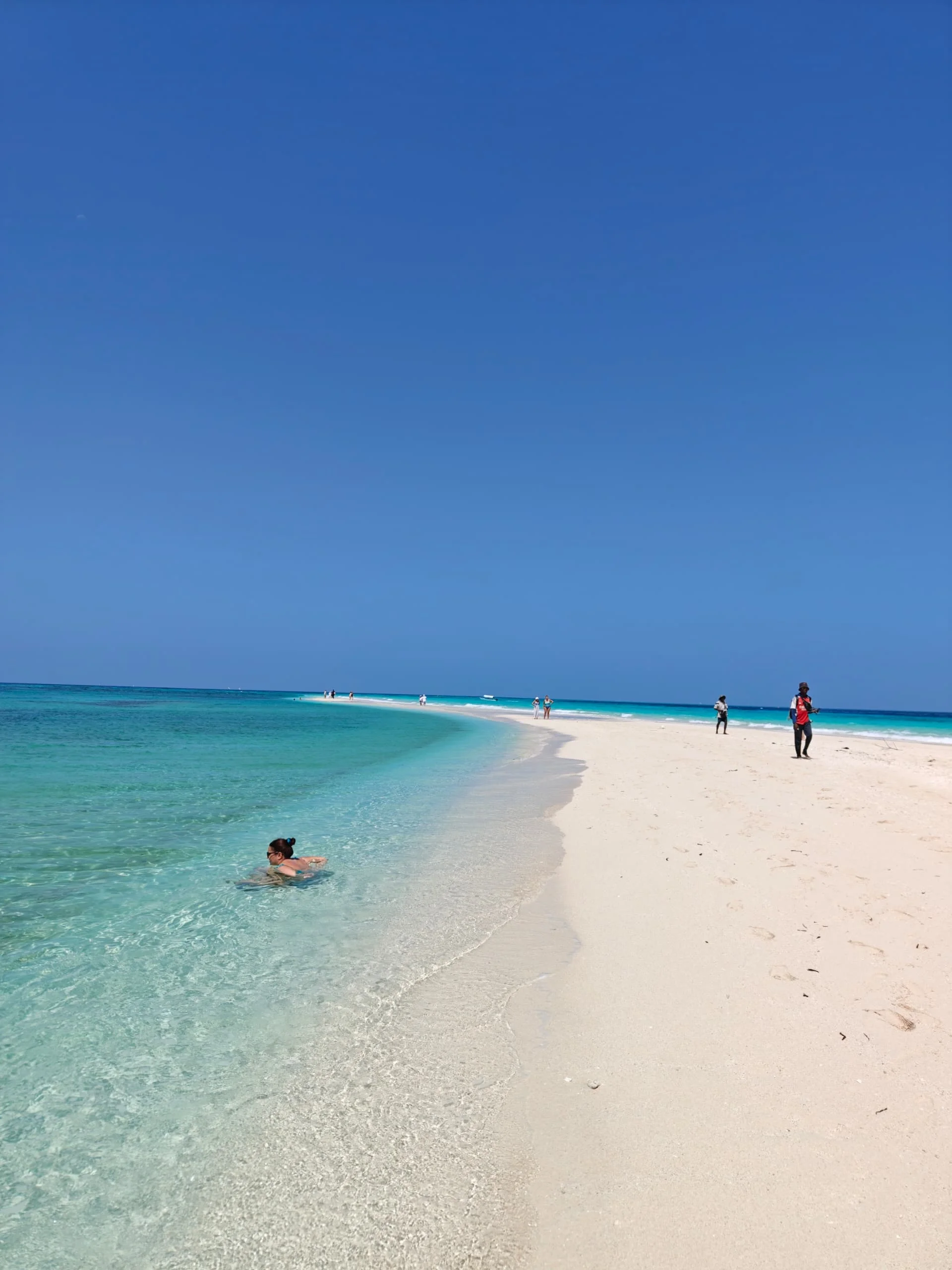
Zanzibar — off Stone Town, Unguja
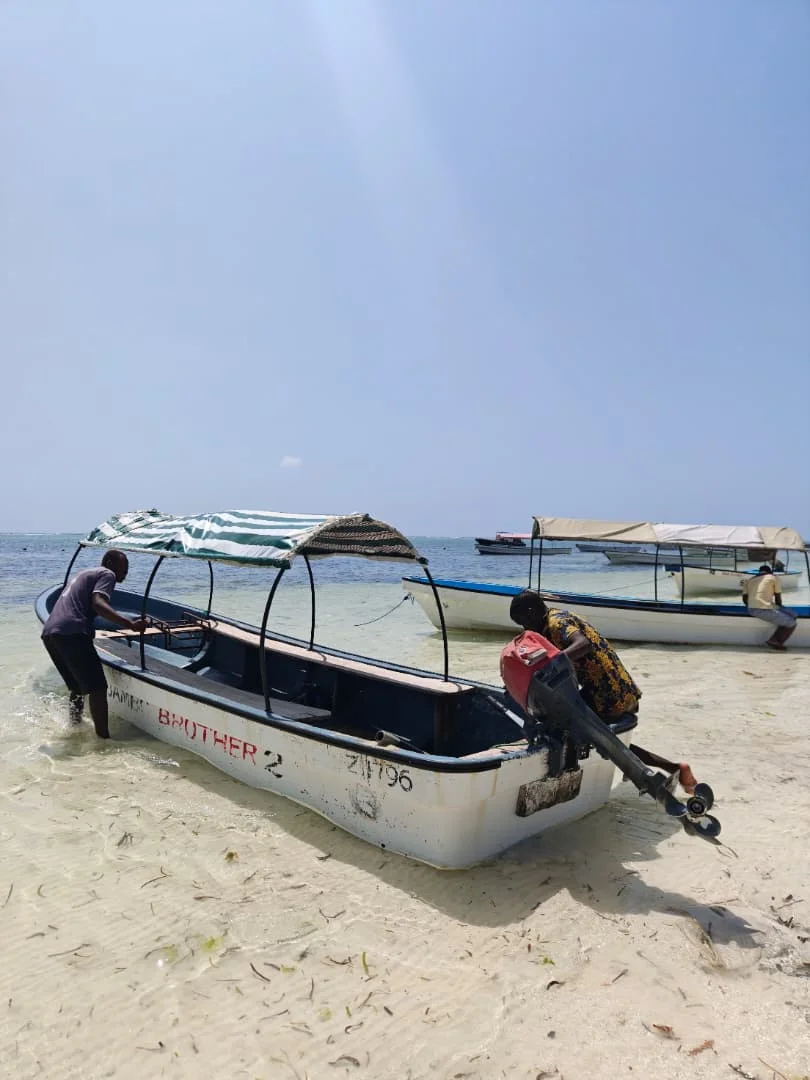
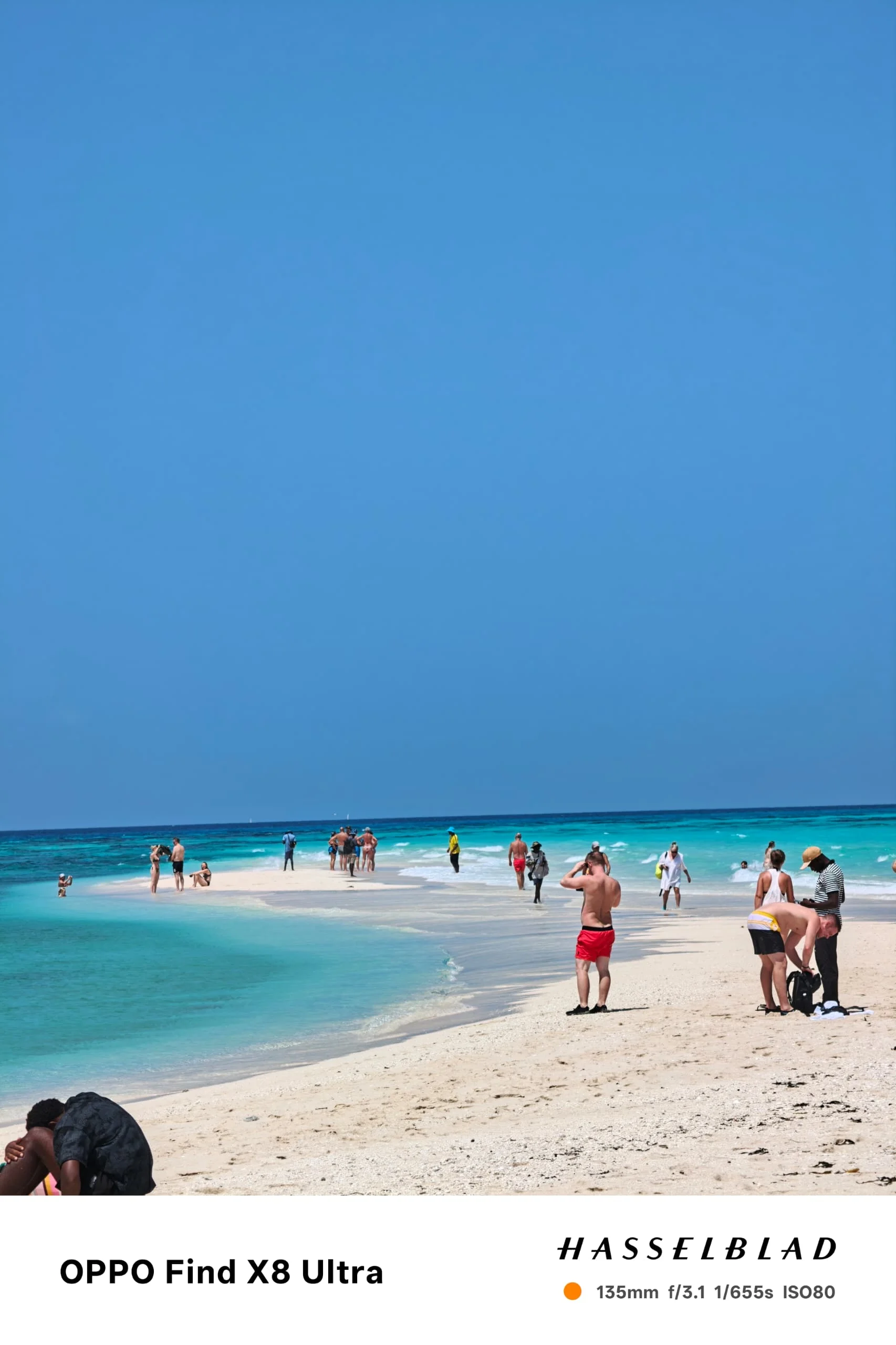
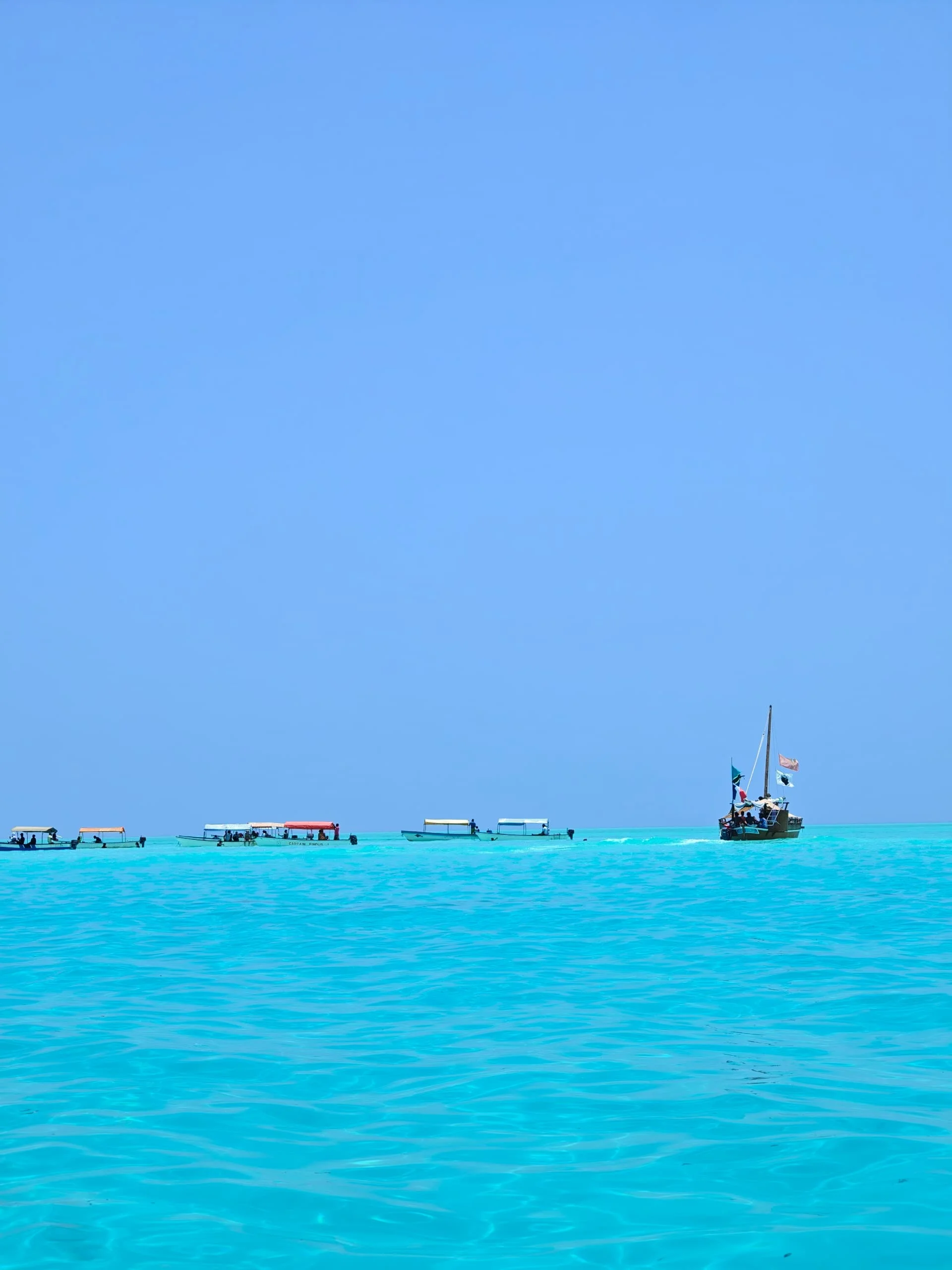
Nakupenda Island, also known as Nakupenda Sandbank or Nakupenda Beach, offers a striking escape off Stone Town on Zanzibar's west coast. A bright stretch of white sand sits amid turquoise Indian Ocean water, with open views in every direction. The name Nakupenda means "I love you" in Swahili, making it a fitting stop for couples, friends and travelers who enjoy the sea. Although often called an island, Nakupenda is a tidal sandbank. The exposed sand grows and shrinks as the water level changes and can be covered at high tide. This makes timing an essential part of the trip. Your boat crew should plan the visit around the day's tides, wind and sea conditions, rather than a fixed departure time that applies all year. The experience is best approached as a day excursion from Zanzibar, not a place to stay overnight. Spend time relaxing on the sand, taking photographs and swimming where the crew advises it is suitable. Snorkeling may be arranged at a nearby site when conditions permit; visibility and wildlife sightings vary. The main draw is the sandbank setting, and it should not be sold as a guaranteed world-class reef or dolphin encounter. Many visitors choose a boat trip with a prepared lunch, drinking water and temporary shade. A seafood meal and tropical fruit can make a memorable addition, but these are booking options rather than permanent restaurants on the sandbank. Confirm the menu, shade, snorkeling equipment, transfers and any applicable fees in advance. Vegetarian meals and allergy needs should be discussed before the boat departs. Nakupenda pairs well with a Stone Town stay. A separate stop at Changuu, commonly called Prison Island, can be added if the route, tides and available time allow. Prison Island is a different destination with its own visitor arrangements and charges. A combined itinerary usually needs more time than a sandbank-only visit. Confirm every stop and inclusion in the written plan. There are no permanent hotels or built visitor facilities on the sandbank, and natural shade is limited. Bring sun protection, a hat, drinking water, a towel and a dry bag. Ask about toilet arrangements, boat boarding and temporary shade before booking. Boat access may involve stepping through shallow water, so guests with mobility needs should discuss the actual transfer setup. The sea is part of the experience and must be treated with care. Wear a well-fitting life jacket on the boat, supervise children closely and follow the captain's advice on swimming. Shallow-looking water can still have currents. A trip may need to be rescheduled or cancelled if weather, tide or sea conditions are unsuitable. Neither a private boat nor a sunny forecast guarantees safe access or exclusive use of the sandbank. Help keep the setting beautiful by taking all litter back to Zanzibar. Do not collect shells, remove marine life or stand on coral at snorkeling sites. Watch wildlife without touching or feeding it. Keep sunscreen, shade and hydration part of the day, and use the crew's judgment when deciding whether to swim or snorkel. Ask TanzaLux Safaris to fit Nakupenda into your Zanzibar itinerary with a clear pickup, boat plan and return transfer. Share your travel dates, group size, swimming confidence and meal preferences. A carefully timed visit can add an enjoyable ocean experience to a beach holiday, a Stone Town break or the Zanzibar extension of a mainland safari.
March to May, especially April and May, generally bring the long rains. Showers, wind and sea conditions can disrupt boat outings, and some departures may need to change. Quieter periods can suit flexible travelers, but do not choose a trip solely for a lower price. Confirm availability, the tide window and the cancellation or rescheduling policy.
November and early December can bring short rains, with conditions varying from day to day. Transition periods may offer a mix of sun and showers. A flexible schedule helps you use a suitable weather and tide window. Snorkeling visibility and boat access are assessed locally; neither is guaranteed by the season label.
June to October is a popular drier travel period. Late December to February can also suit a Zanzibar beach holiday, with warmer conditions and busy holiday dates. Book ahead around peak demand. The exact tide, wind and sea state still determine the departure and time on the sandbank. Carry sun protection and confirm that shade and water are provided.
Nakupenda is reached by boat from the Stone Town waterfront on Unguja, Zanzibar. There is no road or walking access to the sandbank. The boat journey is often around 20–30 minutes each way, but the vessel, departure point, route and sea conditions can change the timing. Guests staying in Stone Town can arrange a meeting point or short transfer to the waterfront. From Nungwi, Kendwa, Paje, Jambiani and other resort areas, arrange a road transfer to Stone Town before boarding. Travel time depends on your hotel and traffic; have the planner confirm the full pickup and return schedule. For visitors flying to Zanzibar, Abeid Amani Karume International Airport is the main arrival airport on Unguja. Arrange a transfer to your accommodation or the agreed boat departure point. Allow space after a flight rather than relying on an immediate, tightly timed sandbank connection. A sandbank-only excursion is commonly planned as a half-day outing. A lunch and Prison Island combination may require a longer day. These are planning estimates, not fixed timetables. The captain should set the final departure and return around tides and safe sea conditions. Confirm boat and life-jacket standards, boarding assistance, meal arrangements, shade, snorkeling equipment and all included fees before travel. Ask how poor weather is handled. Nakupenda has no permanent accommodation; return to your Zanzibar hotel after the visit.
Nakupenda lies offshore from Stone Town on the west coast of Unguja, Zanzibar. Visitors reach it by boat from the waterfront; it has no road connection.
It is a tidal sandbank, despite the common name Nakupenda Island. Its exposed area changes with the water level and can be covered at high tide.
Nakupenda means “I love you” in Swahili. The name is often associated with the sandbank’s romantic setting, but the destination suits friends, families and solo visitors too.
Arrange a boat excursion from Stone Town. If your hotel is elsewhere on Zanzibar, add a road transfer to the agreed waterfront departure point and a return transfer after the trip.
The crossing is often about 20–30 minutes each way. Treat that as an estimate: the boat, departure point, route, wind and sea state can change the time.
A sandbank-only trip is commonly planned as a half-day outing. Lunch, snorkeling, hotel transfers or a Prison Island stop can make it longer. Ask for a plan suited to that day’s tides.
June to October is a popular drier period, while late December to February can suit a warm beach holiday. The day’s tide, wind and sea conditions matter more than a season label for boat access.
The crew needs enough exposed sand and a suitable sea state for the visit. Tide times change from day to day, so there is no single departure time that works throughout the year.
Swimming may be possible when the crew considers conditions suitable. Follow their advice, stay within your ability and supervise children closely. Shallow water is not a guarantee of weak currents.
A nearby snorkeling stop may be included or added if conditions allow. Confirm the location, equipment and supervision when booking. Visibility, reef conditions and marine-life sightings vary.
Fish and other reef life may be seen at suitable nearby snorkeling sites, and birds may be visible during the boat trip. Do not expect guaranteed dolphins, turtles, starfish or other specific sightings.
Lunch depends on the excursion booked. Ask whether food, drinking water, fruit and temporary shade are included. Share vegetarian needs or serious food allergies before departure.
There are no permanent built visitor facilities. Food and shade are usually brought by the excursion crew when arranged. Ask about practical toilet arrangements and what will be provided before you book.
Plan it as a day trip and stay at a hotel on Zanzibar. The sandbank is tide-dependent and has no permanent accommodation. A hotel with Nakupenda in its name is not a hotel on this sandbank.
Families can consider the outing if the sea conditions, boat and supervision suit the children. Check child-sized life jackets, shade, meal needs and the boarding method before booking.
Access depends on the boat and boarding setup. It may involve steps and wading through shallow water. Describe your needs in advance and ask what assistance can actually be provided.
A combined route may be arranged if time and conditions allow. Changuu, or Prison Island, is a separate destination. Confirm its entry fees, visit arrangements and the extra time in your itinerary.
Bring a hat, sunscreen, sunglasses, drinking water, a towel, swimwear and a dry bag. Wear suitable footwear for boarding and carry a light cover-up for the transfer through town.
The captain may change the schedule, choose a safer option or cancel the departure. Agree on the rescheduling and refund terms before booking. Do not pressure a crew to travel in unsuitable conditions.
Share your Zanzibar hotel, dates, group size and preferred pace with TanzaLux Safaris. Request a written plan covering transfers, the boat, meals, shade, equipment, fees and optional stops.
Grateful experience
As a solo female traveler, I felt super safe and well taken care of the entire time.
Read morePrivate Safari 6 days
I can only highly recommend the young company Tanzalux for organizing a private safari.
Read moreAn unforgettable vegetarian journey with Tanzalux Safaris
I highly recommend Tanzalux for anyone wanting a special, personalized safari.
Read moreOur 3-day camping safari with Tanzalux was simply fantastic! Everything was perfectly organized.
Read moreBack in April, I joined a day trip to Tarangire National Park with Tanzalux Safaris, and it was truly one of the best experiences I have ever had…
Read moreI've had an amazing experience with Tanzalux Safaris, would 1000% recommend! Thank you for making my trip so special🫶
Read moreI recently visited Meru Waterfalls in Arusha and got to do some of the activities there, honestly it was such a great experience and I really enjoyed it.
Read moreOur guide Dullah Mr Rastaman had the best vibe. I would like to recommend other people not to miss it, Tarangire is the best national park.
Read moreOur tour guide Nasri was very friendly and welcoming from the first day we met him. He knows Tarangire very well and explained many things during the safari.
Read moreAs a grandmother in the group, I would like to share my happiness with Tanzalux Safaris. Me, my daughters, and my grandson went on a short trip to Tarangire National Park…
Read moreReceive a free, no obligation quote

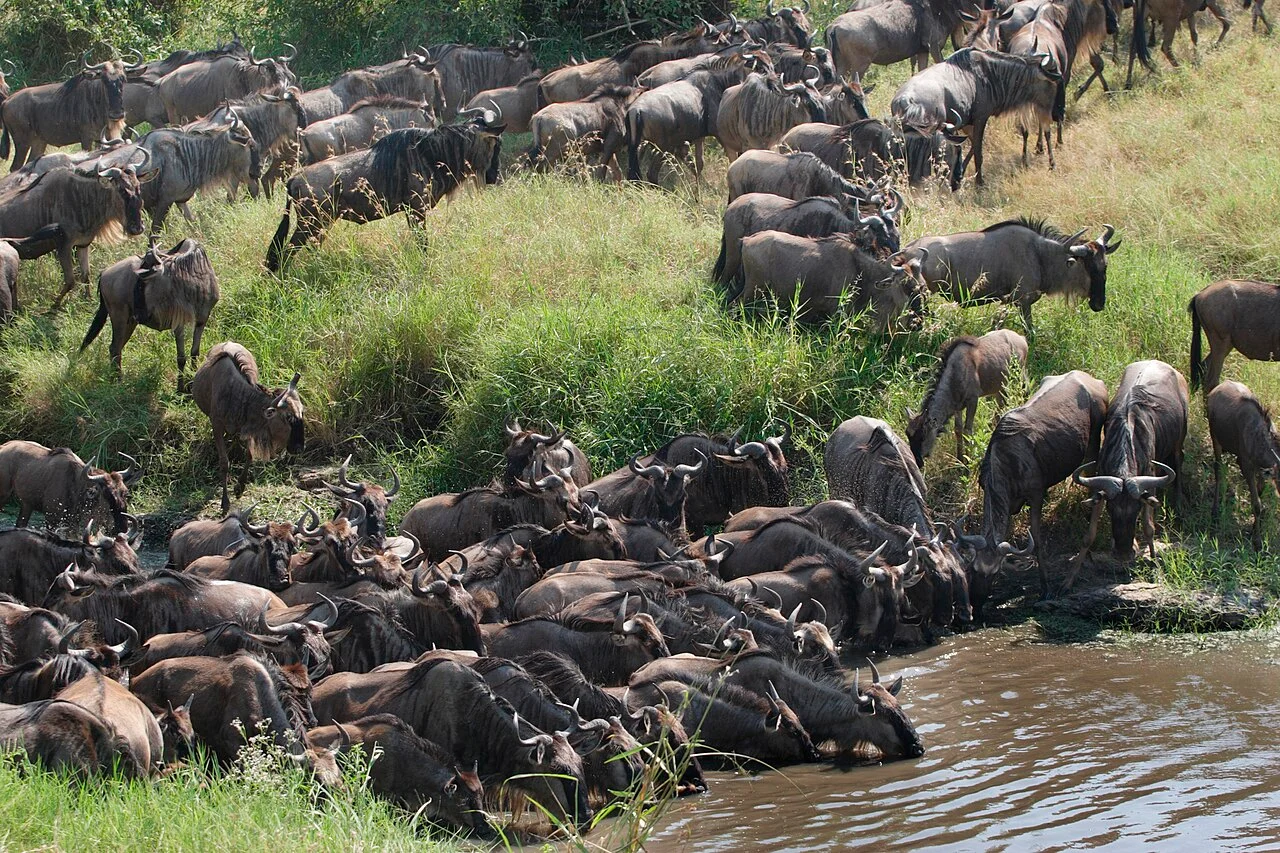 northern circuit
North Serengeti is one of the most captivating regions of Serengeti National Park in northern Tanzania. Located near the border with Kenya and extending toward the Mara River and the Lamai area, this remote wilderness is celebrated for its dramatic landscapes, abundant wildlife, and connection to the annual Great Wildebeest Migration. Unlike the wide, open plains of southern and central Serengeti, North Serengeti features rolling hills, granite kopjes, acacia woodlands, riverine vegetation, valleys, and open savannah. This varied environment creates habitats for a wide range of wildlife, including elephants, lions, leopards, cheetahs, buffaloes, giraffes, zebras, wildebeest, topi, gazelles, hippos, hyenas, and numerous bird species. The region is especially famous for the Mara River, where migrating wildebeest and zebras may attempt to cross during their seasonal movement through the Serengeti-Mara ecosystem. These crossings are among Africa’s most dramatic wildlife spectacles, but they are entirely natural and unpredictable. Animals may gather at the river for hours or days, change direction, or decide not to cross at all. North Serengeti also includes the Lobo Valley, an area known for its rocky scenery, resident wildlife, and opportunities to observe large predators. The region’s relative remoteness can provide a quieter safari atmosphere, although visitor numbers may increase around popular migration periods. A North Serengeti safari is ideal for travellers seeking dramatic wildlife encounters, photography opportunities, remote landscapes, and a deeper exploration of Tanzania’s northern safari circuit. TanzaLux Safaris can design a private safari that combines North Serengeti with Central Serengeti, Ngorongoro Crater, Tarangire National Park, or other destinations according to the season and your interests.
Wildlife
Wildebeest & Zebra
Landscape
Wildlife Safari / Great Migration / Mara River / Big Five Safari / Luxury Safari / Remote Wilderness / Photography / Game Drives
Highlights
Experience the remote wilderness of northern Serengeti
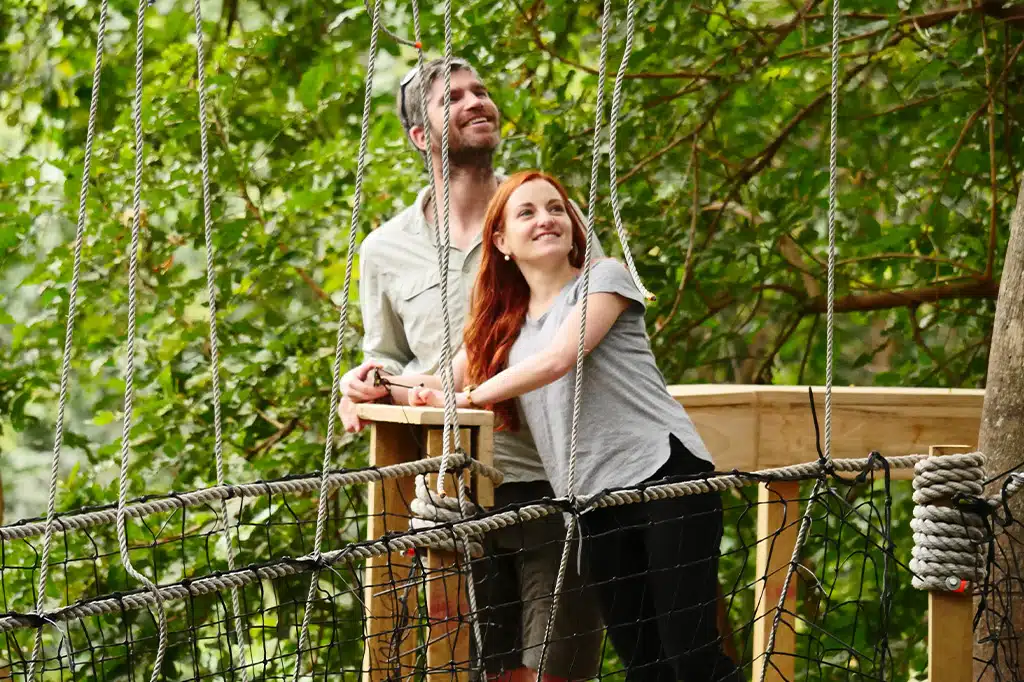 Southern Tanzania
Udzungwa Mountains National Park is one of Tanzania's most distinctive protected areas and one of the country's strongest destinations for hiking, rainforest exploration, waterfalls and endemic wildlife. Located within Tanzania's ancient Eastern Arc Mountains, Udzungwa protects approximately 1,990 square kilometres of forest, woodland, bamboo, mountain ridges, streams and highland habitats. Unlike Tanzania's famous savanna parks, Udzungwa is best explored on foot. A network of trails leads through dense rainforest, across streams and up forested slopes to waterfalls and viewpoints overlooking the Kilombero Valley. The most famous attraction is Sanje Waterfall, where a series of cascades falls dramatically through forested cliffs. The trail to Sanje combines rainforest walking, birdwatching, primate sightings, panoramic viewpoints and natural pools. Udzungwa is also internationally important for biodiversity. The park protects species that occur nowhere else or have extremely restricted ranges. The Udzungwa red colobus and Sanje mangabey are two of the park's flagship primates. Other monkeys include blue monkeys and vervet monkeys, while forest mammals, duikers, bushbuck, galagos and genets occur across different habitats. Birdlife is exceptional. TANAPA currently reports more than 400 recorded bird species, including Eastern Arc forest specialists, sunbirds, greenbuls, raptors and other species associated with mountain forests. The park's biodiversity reflects the extraordinary age and isolation of the Eastern Arc Mountains. These ancient forested mountain blocks have been separated from surrounding lowlands for millions of years, allowing many unique plants and animals to evolve. Udzungwa also protects important water catchments. Mountain streams and forested watersheds feed surrounding valleys and communities, making forest conservation important far beyond the park boundary. For travelers, Udzungwa provides an excellent contrast to wildlife safaris in Mikumi, Nyerere or Ruaha. A journey can move from open savanna and big mammals to rainforest, waterfalls, primates and mountain trekking. With TanzaLux Safaris, Udzungwa can be included as a private hiking and nature experience or combined with Mikumi National Park and other Southern Tanzania destinations.
Wildlife
Udzungwa red colobus & Sanje mangabey
Landscape
National Park / Rainforest / Hiking & Trekking / Waterfalls / Primate Watching / Birdwatching / Biodiversity Hotspot / Eastern Arc Mountains / Photography / Southern Tanzania Safari Circuit
Highlights
Sanje Waterfall
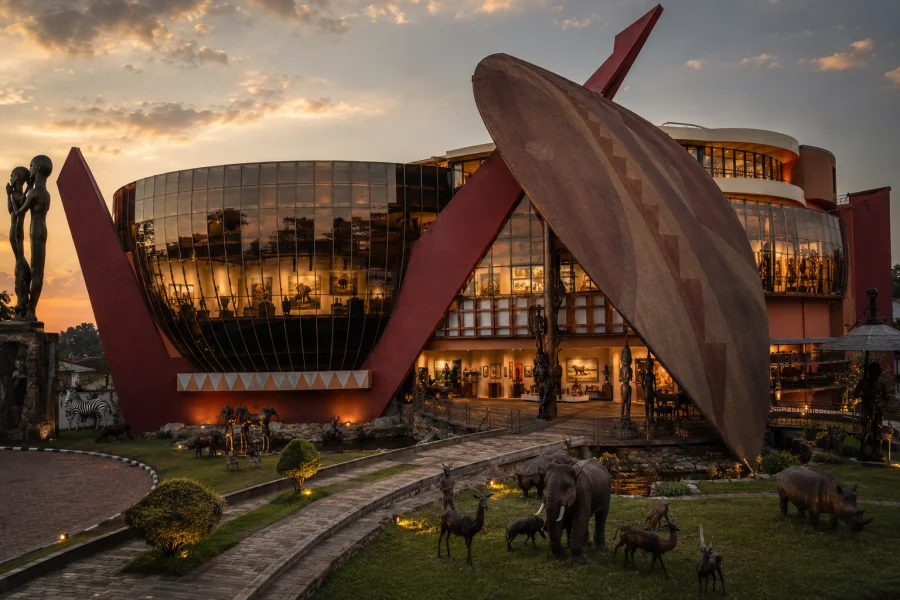 northern circuit
Cultural Heritage Centre Arusha is a celebrated cultural and artistic destination located on Dodoma Road in Arusha, Tanzania. Established in the 1990s, the centre has developed from a gallery into a broad cultural complex where visitors can discover African art, traditional craftsmanship, gemstones, jewelry, cultural collections, and creative workshops. The centre offers travelers an opportunity to experience a different side of Tanzania beyond wildlife and landscapes. Its galleries display a wide range of African artistic expressions, including paintings, sculptures, traditional objects, Makonde carvings, and colourful Tinga Tinga artwork. Visitors can also explore handmade crafts, textiles, baskets, carvings, decorative pieces, and other objects connected to African artistic traditions. One of the centre’s major attractions is its gemstone and jewelry section, where visitors can learn about Tanzanian gemstones such as tanzanite and explore jewelry designs created by skilled artisans. Tanzanite, a rare blue gemstone associated with northern Tanzania, is an important part of the country’s mineral and jewellery heritage. The Cultural Heritage Centre also offers opportunities to observe or participate in selected creative activities, including beadwork, painting, weaving, and other craft experiences, depending on the current programme and availability. For safari travelers, the centre is a convenient cultural stop before or after visiting Tarangire National Park, the Ngorongoro Crater, Serengeti National Park, or other northern Tanzania destinations. It can also be combined with an Arusha city tour, Mount Kilimanjaro itinerary, Materuni Waterfalls, or Chemka Hot Springs. With TanzaLux Safaris, visitors can include the Cultural Heritage Centre in a private and personalized Tanzania itinerary designed around their interests, schedule, and travel style.
Wildlife
African elephants represented in art and sculpture & Giraffes represented in African paintings and carvings
Landscape
Cultural Attraction / Art Gallery / Museum / Shopping Experience / Gemstone Centre / Cultural Tourism / Day Trip
Highlights
Explore an extensive collection of African paintings, sculptures, and contemporary artwork.
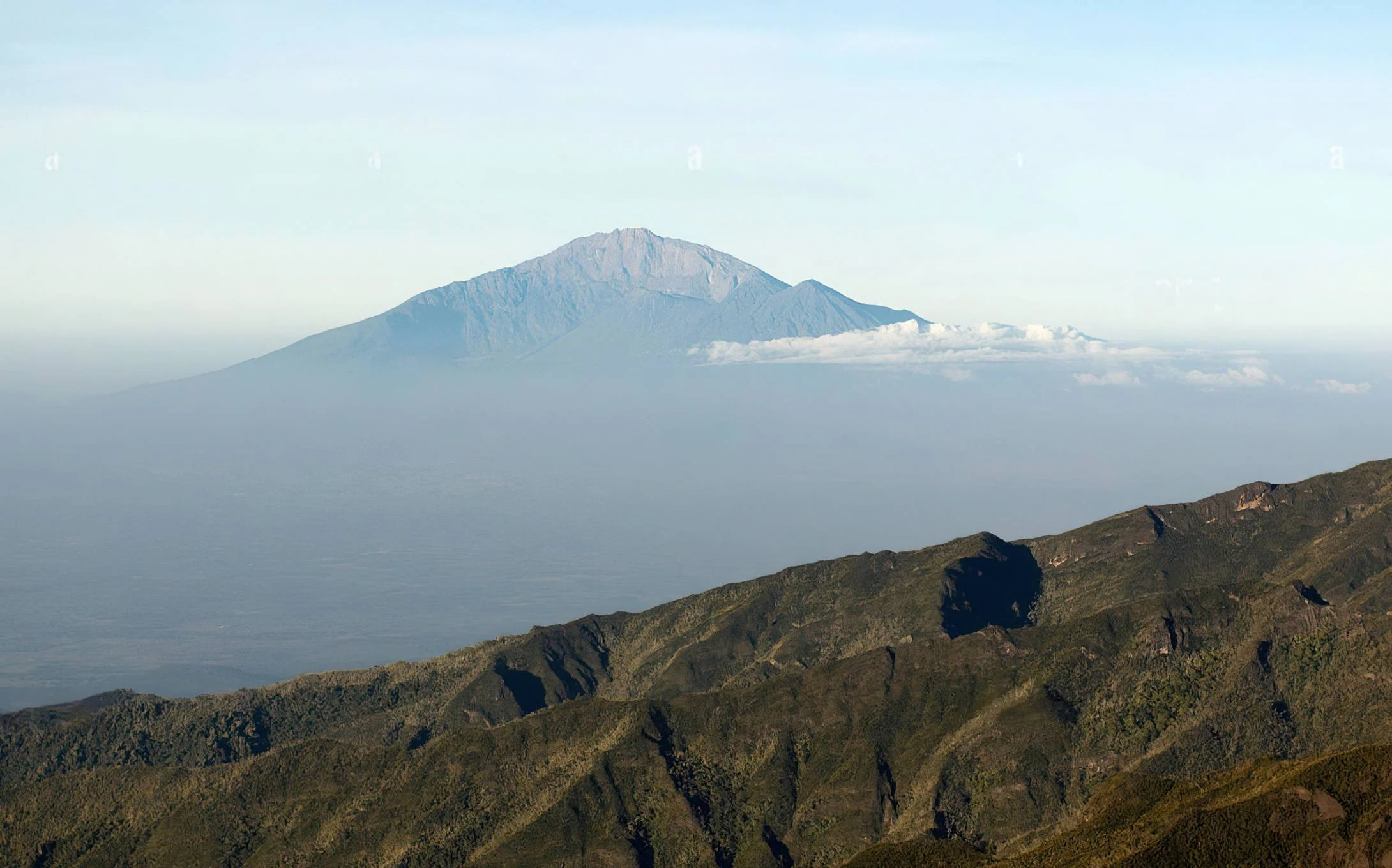 Northern Circuit
Mount Meru is one of Tanzania’s most impressive natural landmarks and a remarkable destination for travellers seeking adventure, dramatic landscapes, and a deeper connection with nature. Rising to approximately 4,566 metres above sea level, Mount Meru is Tanzania’s second-highest mountain and the dominant geological feature of Arusha National Park. Located close to Arusha city, Mount Meru offers an extraordinary contrast between accessibility and wilderness. Within a relatively short distance of the city, travellers can move from open savannah and wildlife-rich grasslands into dense montane forest, giant heather zones, moorland, volcanic ridges, and high-altitude terrain. The mountain is an active stratovolcano with a distinctive horseshoe-shaped crater formed by a major collapse of its eastern side. This geological structure creates dramatic cliffs, deep valleys, volcanic formations, and spectacular views from the summit ridge. The mountain’s highest point, known as Socialist Peak, offers expansive views of the surrounding landscape and, on clear mornings, Mount Kilimanjaro in the distance. The standard Mount Meru trek follows the Momella Route and generally takes three to four days, although a four-day itinerary is commonly preferred because it allows more time for acclimatisation. The trek begins at Momella Gate in Arusha National Park and passes through several ecological zones, including open woodland, montane rainforest, heathland, moorland, and alpine desert. One of the unique features of Mount Meru is the possibility of encountering wildlife during the lower sections of the trek. Depending on park conditions and animal movements, trekkers may see giraffes, zebras, buffaloes, antelopes, monkeys, and other wildlife. Because the route passes through wildlife habitat, an armed park ranger is generally required for the initial sections of the trek under park regulations. Mount Meru is not simply a mountain-climbing destination. It is also a journey through Tanzania’s volcanic history, forest ecosystems, wildlife habitats, and highland scenery. Trekkers can explore the mountain’s crater rim, visit Little Meru, admire the Ash Cone from suitable viewpoints, and experience the changing landscapes that make this mountain unique. For travellers planning to climb Mount Kilimanjaro, Mount Meru may also be incorporated into a broader itinerary as part of a structured acclimatisation strategy. However, climbing Mount Meru does not guarantee success on Kilimanjaro, and every climber must still prepare properly for altitude, weather, and physical demands. With TanzaLux Safaris, your Mount Meru adventure can be tailored around your interests, fitness level, travel schedule, and wider Tanzania itinerary. You can combine your mountain trek with a safari in Arusha National Park, a visit to Materuni Waterfalls, a relaxing experience at Chemka Hot Springs, or a longer Northern Tanzania safari featuring Tarangire, Ngorongoro, and Serengeti.
Wildlife
African Buffalo & Giraffe
Landscape
Mountain Trekking / Volcano / Hiking / Wildlife / Adventure
Highlights
Socialist Peak
 Northern Circuit
Arusha National Park is one of northern Tanzania's most diverse and accessible national parks, located close to Arusha city and dominated by the dramatic presence of Mount Meru. Covering approximately 552 square kilometres, the park combines montane forest, open grasslands, volcanic landscapes, crater scenery and the beautiful Momella Lakes within a relatively compact area. Unlike Tanzania's famous big-game parks, Arusha National Park is best known for the variety of experiences it offers. Travelers can explore the park by safari vehicle, discover wildlife on guided walking experiences, enjoy birdwatching around the forest and lakes, or experience a canoe safari on the Momella Lakes. Mount Meru, rising to 4,566 metres, forms the spectacular backdrop to much of the park. The mountain is also a major trekking destination in its own right and provides a quieter alternative for travelers seeking a multi-day mountain adventure. The park supports giraffes, buffaloes, zebras, warthogs, antelopes, blue monkeys, black-and-white colobus monkeys and abundant birdlife. The Momella Lakes are particularly scenic, with waterbirds and seasonal flamingos creating beautiful photographic opportunities. Arusha National Park is ideal for travelers arriving in Arusha, families looking for a shorter safari experience, photographers, birdwatchers, active travelers and visitors who want to combine wildlife with walking, canoeing and mountain scenery. With TanzaLux Safaris, Arusha National Park can be arranged as a private day safari, a walking and canoeing experience, or as part of a wider Northern Tanzania itinerary connecting Arusha, Mount Meru, Tarangire, Lake Manyara, Ngorongoro and Serengeti.
Wildlife
Giraffe & African Buffalo
Landscape
National Park / Wildlife / Walking Safari / Mountain & Lakes
Highlights
Mount Meru
 Northern Circuit
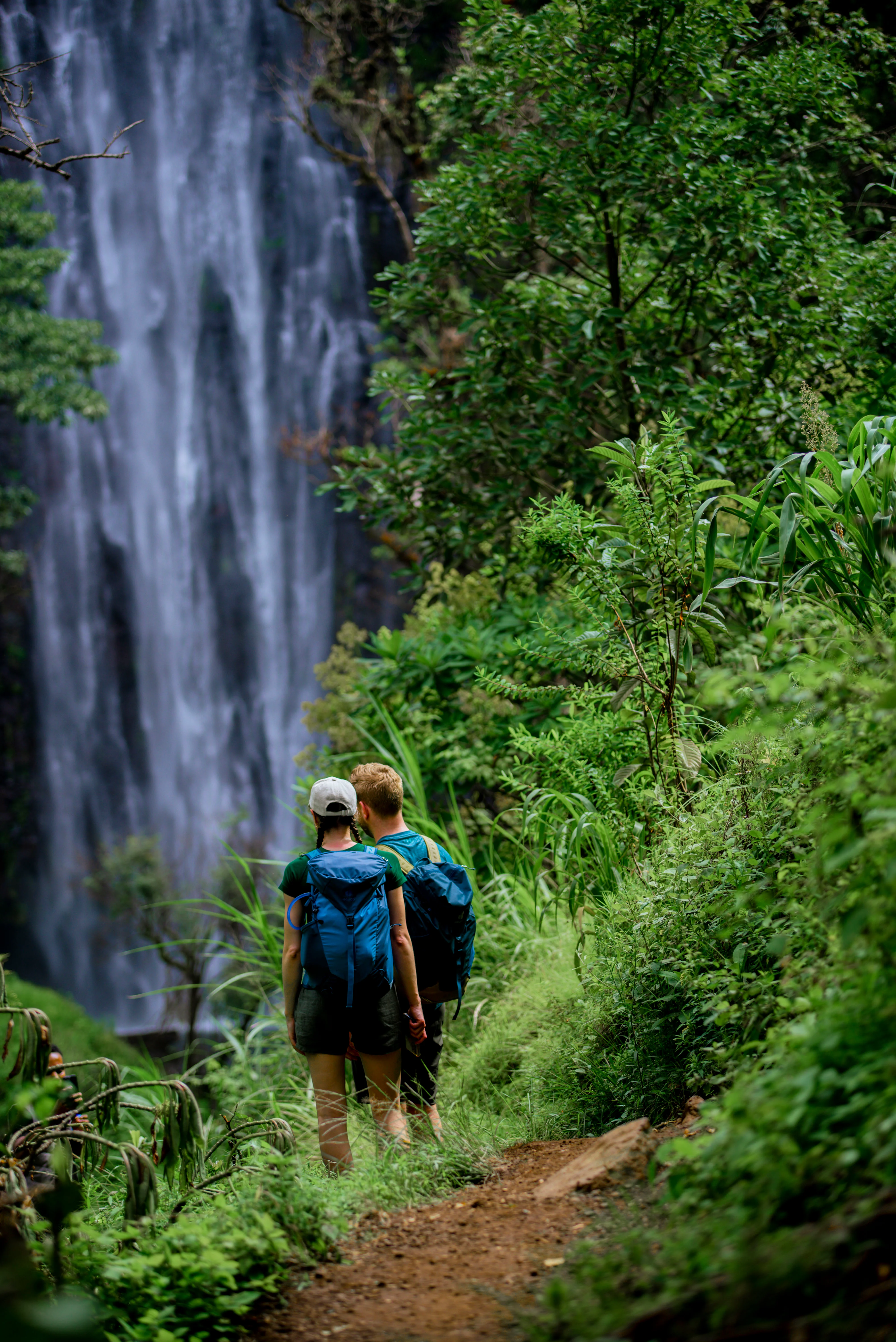
Materuni Waterfall is one of the most rewarding nature and cultural experiences near Mount Kilimanjaro, offering travellers a beautiful combination of hiking, waterfalls, coffee, Chagga culture and mountain scenery. Located in Materuni Village on the green southern slopes of Mount Kilimanjaro, approximately 15 kilometres from Moshi, the waterfall is reached by a scenic guided walk through the countryside. The trail passes through coffee farms, banana plantations, tropical vegetation and Chagga farmland before arriving at the impressive Materuni Waterfall, where water plunges into a natural pool surrounded by lush vegetation. The waterfall is commonly described as approximately 80 metres high, although published measurements vary. The journey to the falls is part of the experience, with local guides explaining the plants, farming practices, landscape and everyday life of the Chagga people along the way. Materuni is much more than a waterfall. A traditional coffee experience can introduce visitors to the journey from coffee cherry to cup, including harvesting, processing, roasting, grinding and tasting freshly prepared coffee. Visitors can also enjoy a traditional local meal and learn about Chagga culture and village life. With TanzaLux Safaris, Materuni Waterfall can be arranged as a private day trip from Moshi or Arusha and combined with a Chagga coffee experience, cultural visit or Chemka Hot Springs. It is also an excellent experience before or after a Mount Kilimanjaro climb. For travellers looking for authentic experiences beyond traditional wildlife safaris, Materuni offers a memorable opportunity to experience the landscapes, people, agriculture and culture of northern Tanzania.
Wildlife
Chameleons & Blue Monkeys
Landscape
Waterfall & Cultural Attraction
Highlights
Materuni Waterfall