5.0 Excellent

Where Luxury Meets Ethics: The Top Eco-Friendly Safari Lodges in Tanzania for 2026
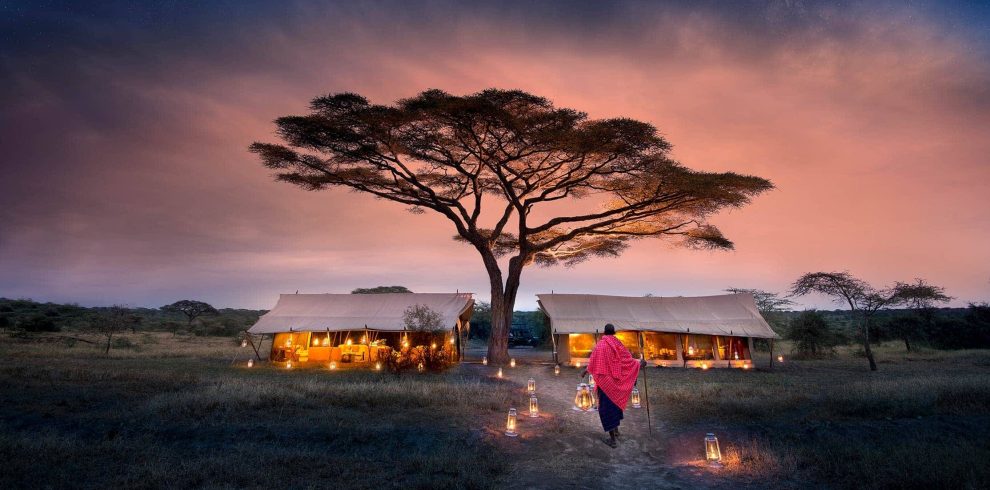
The best eco safari lodges offer more than a beautiful room and a view of wildlife. They can show how they use power, save water, handle waste and work with people who live nearby. In Tanzania, that care can sit alongside fine food, warm service and a very comfortable bed.
This 2026 guide looks at five stays with named practices or projects worth exploring. They range from a working farm near Karatu to a private crater retreat and camps in Serengeti and Ruaha. Each suits a different kind of trip.
Checked on 24 October 2026. The shortlist draws on lodge pages and operator reports linked below. Where a firm reports its own results, we say so. Use those details as a starting point, then ask for the latest answers for your travel dates.
What makes eco safari lodges worth choosing?
Look for a clear link between a claim and daily work. A refill station, a water meter or a named local supplier gives you something to ask about. A broad promise to “care for nature” tells you much less unless the lodge explains what it does.
When comparing eco-friendly safari lodges in Tanzania, consider both the stay and the journey. A good camp choice can lose some of its value if the route adds many short flights or long daily drives. Choose a few strong bases and give yourself time to enjoy them.
Power: ask what solar serves, how backup power works and what fuel is still used.
Water: ask where it comes from, how use is tracked and how leaks and waste water are handled.
Waste: ask what happens after items are sorted, and how the camp reduces packaging at source.
People: ask about local jobs, training, fair terms and named community partners.
Wildlife: choose guides who give animals room and follow the rules of the area.
Eco safari lodges can do well in one area while still improving in another. Ask for dates, scope and results. This helps you make a choice based on evidence and priorities rather than a single label.
Five eco safari lodges and retreats to explore in 2026
This is a curated shortlist, with a different strength behind each choice. Check the exact property name, since a firm's work at one camp does not establish the same practice at every camp it owns. Rooms, access and booking terms also vary.
Sayari Camp: solar-powered drinks and water in northern Serengeti
Best for: guests who want a northern Serengeti base with space to relax between drives.
Sayari Camp combines tented suites, private decks and a pool in the northern part of the park. Its setting suits a trip planned around that area. Match the camp to your month and goals; a river crossing can never be booked as a certain event.
The specific eco feature is its solar-powered microbrewery. Project supplier Greenlink describes a system that makes drinks and purifies still and sparkling water. Producing these at camp can reduce the need to bring in bottles and cans and then transport the empty containers out.
Sayari's own page lists both solar and generator power. That detail matters: the brewery's solar power does not mean every part of the stay runs on solar alone. Among eco safari lodges, clear information about backup systems is a useful sign of openness.
Before booking: ask which room suits your party, whether drives are shared or private, and what the camp currently serves in reusable containers. The operator lists an April–May closure, so check dates before fixing your flights.
Jabali Ridge: luxury in Ruaha with day-to-day resource tracking
Best for: travellers who want a southern safari base with time for both drives and camp life.
Jabali Ridge sits among rocky outcrops in Ruaha. Its eight suites, pool and spa offer a comfortable place to pause between outings. This is a different landscape from the open plains that many guests first picture when they think of Tanzania.
In a September 2026 report, Asilia describes a staff member at Jabali reading water meters, weighing waste and watching the solar system. Unusual water readings have helped the team find leaks. It is a practical example of measuring use and acting on what the records show.
That work earns Jabali a place among the eco safari lodges worth asking about. A meter alone does not prove low use, but it gives the team a way to spot problems. Ask what has changed since the report and how results are reviewed.
Before booking: confirm the full room and activity package, any private vehicle terms and the route to camp. The lodge lists a closure from mid-March to the end of May. Walking trips have their own date, age and safety limits.
Gibb’s Farm: a garden and food focus near Karatu
Best for: guests who enjoy food, gardens and a restful break within a northern safari.
Gibb’s Farm is a working farm and lodge on the outer slopes of the Ngorongoro highlands. Cottages and houses sit within a green farm setting. It is a useful contrast to nights spent deep in wildlife areas, with time to enjoy the place itself.
The farm's own account of its practices describes organic farming, natural fertiliser and compost from the farm, alongside solar energy and community projects. These are operator-reported practices. “Organic” here describes the stated farming method; ask separately if a specific external standard matters to you.
For guests comparing eco safari lodges, food is a good way to look beyond the room. Ask what is grown on site, what comes from nearby suppliers and how kitchen waste is handled. A garden visit can make those questions much more tangible.
Before booking: check the room type, meal plan and farm activities on your dates. This is not a camp inside the crater or Serengeti. Allow for transfers when adding park visits, and leave room in the schedule to enjoy the farm.
Entamanu Private: a removable retreat on the crater rim
Best for: a family or small party seeking an exclusive highland stay.
Nomad describes Entamanu Private as a locally designed retreat on the northwestern rim of Ngorongoro Crater. It uses glass, wood and stretched canvas in structures designed to be removable. This gives a specific design reason to consider it when seeking low-impact safari camps.
The same page describes Nomad's support for KopeLion's community work on human–lion conflict, including local liaison roles. That adds a named social and wildlife link to the design story. Ask how the work is funded and what guests can learn about it during a stay.
Its place among eco safari lodges comes from those stated practices, rather than a claim that a removable camp has no impact. Energy, food, water and transport still matter. Consider all of them when deciding how the private retreat fits your trip.
Before booking: confirm exclusive-use terms, party size, minimum stay and the ages allowed for each activity. Entamanu Private and the main Entamanu camp have distinct booking arrangements. Make sure the quote names the one you want.
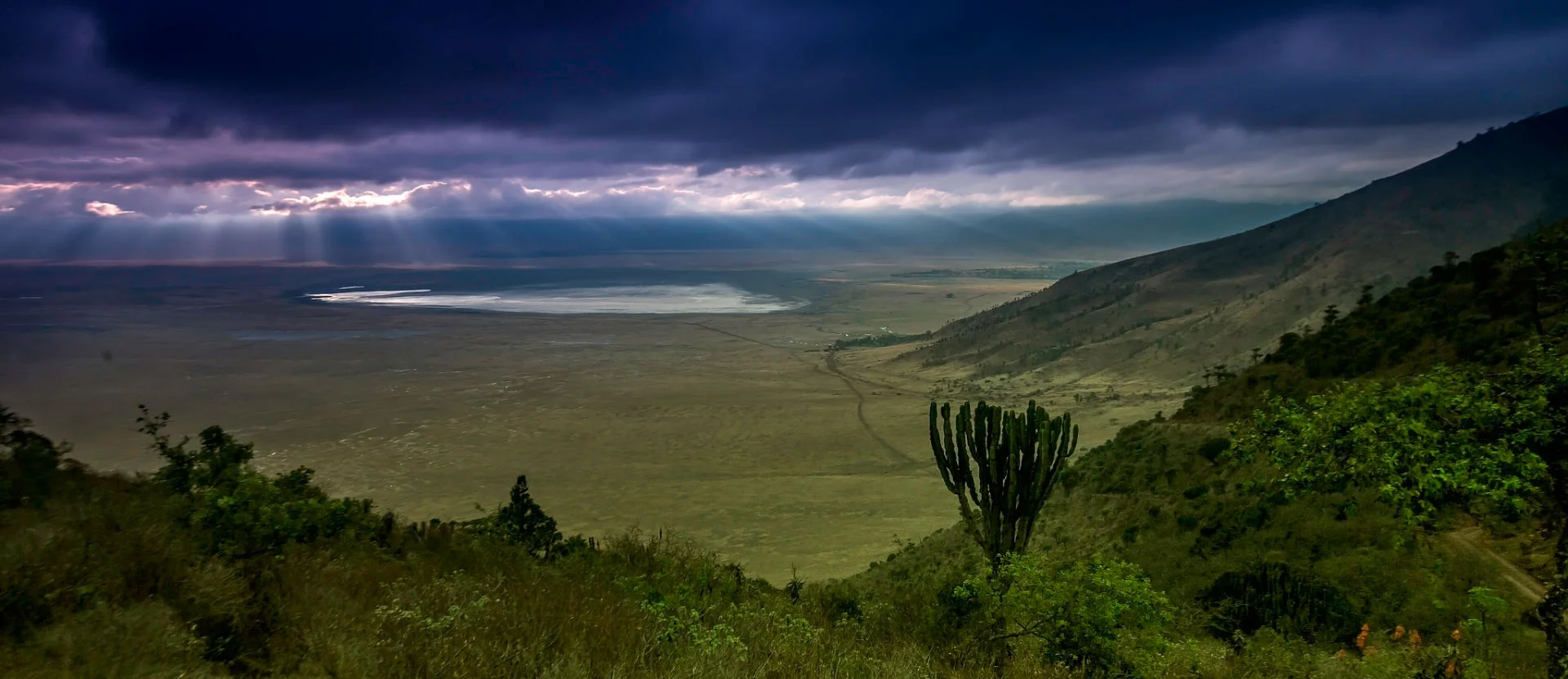
The Ngorongoro landscape adds a striking highland chapter to a northern safari. This image shows the destination, rather than a lodge room.
Singita Sasakwa: comfort in Grumeti with named conservation links
Best for: guests who want a grand lodge style and a longer stay in the Grumeti area.
Sasakwa Lodge offers cottage-style rooms and broad views within Singita Grumeti. It lies in the wider Serengeti ecosystem, with its own location and access plan. Check those details when comparing Serengeti eco lodges; the ecosystem name alone does not tell you where a property sits.
Singita describes its partnership with the Grumeti Fund, which runs wildlife and community work in and around the reserve. Keep the funding route clear. The lodge's presence, a fee included in a stay and an optional guest donation are not automatically the same thing.
There is also a recent water-use example. In its September 2026 update, Singita reports that work on water infrastructure cut leaks at Sasakwa by 40% earlier that year. That is a reported reduction in leaks, not a 40% cut in all lodge water use. The update also acknowledges wider water-use challenges across the group.
Before booking: ask for the latest lodge-level results, the exact conservation charges and a clear transfer plan. For eco safari lodges at this level of comfort, detailed answers matter as much as fine furnishings.
How to compare the shortlist
Start with the place you most want to visit. Then choose the stay that fits your pace and interests. You do not need all five properties to make a strong trip. Trying to include them all can create a route with too many moves.
For northern Serengeti: explore Sayari, then match the stay to the season and your wildlife goals.
For southern Tanzania: look at Jabali Ridge as a Ruaha base and allow several nights there.
For food and gardens: give Gibb’s Farm enough time to be more than a late arrival and early checkout.
For private crater time: check Entamanu Private's exclusive-use plan for your party.
For a grand lodge: consider Sasakwa with time to explore its own area.
When you compare eco safari lodges, write down what matters most to you. It may be refillable water, staff training, a named local project or fewer changes of base. Ask each property the same short set of questions so the answers are easy to judge.
Tell TanzaLux which lodge practices and safari experiences matter most to you.
What should you ask before booking eco safari lodges?
Ask about power, water and waste
Ask how much of the camp's power comes from solar and what still needs a generator. Check whether the answer refers to hot water, room lighting, kitchens or the whole property. “Solar-powered” can describe quite different setups.
For water, ask about the source and the plan for dry months. Ask whether the team tracks total use and use per guest night. Both help explain the picture. A lower figure per guest may occur alongside higher total use if more people stay.
For waste, look beyond colour-coded bins. Ask who collects each type and where it goes next. Reducing packaging before it reaches a remote camp can be as useful as sorting it later. Clear answers make luxury eco lodges easier to compare.
Ask about local jobs and community choice
Ask which jobs and training paths are available to people from nearby areas. Find out who supplies food, crafts and other goods. A local address alone does not tell you whether trade terms or work conditions are fair.
For a community visit, ask who leads it, who sets the terms and how hosts are paid. Respect a person's choice to decline photos or contact. A thoughtful visit should be guided by the hosts' wishes, with any purchase or donation handled openly.
Eco safari lodges can help you learn about the area when they explain their links clearly. Ask for a named partner and a current project update. Avoid assuming that all of your room rate becomes a donation.
Ask what a label actually covers
If a lodge names a badge or standard, check the body behind it, the level held and the date. A company's membership in a programme and a current assessment of one lodge are different things. Ask which applies.
This is also true of awards. An award won in an earlier year can show useful work, but it does not replace current facts. For your 2026 stay, ask what still runs, what has changed and what the next goals are.
For example, Singita describes its properties as The Long Run fellows using a framework covering conservation, community, culture and commerce. Keep that stated status in context rather than turning it into a different accreditation or an all-purpose guarantee.
How can the route support a more thoughtful safari?
A sustainable Tanzania safari is shaped by your whole route. Look at flights, road travel, camp stays and what happens on game drives. A room with good practices is one part of the decision.
Consider fewer bases with longer stays. That can remove a transfer and give you time to explore one area well. It can also leave room for a quiet afternoon at camp, a garden walk or a conversation with the team about how the lodge works.
Do not assume that driving is always better than flying, or that one flight choice settles the whole question. Compare the actual route, distance, vehicle use and services available. Avoid simple carbon claims unless the method and scope are clear.
Eco safari lodges work best within a route that makes sense for your dates. Let wildlife seasons and camp access shape the order. A remote camp chosen for its name alone may add travel without adding the experience you wanted.
What can guests do during a stay?
Bring a reusable bottle if the lodge offers a safe refill system. Follow the camp's advice on water, laundry and power. Ask before using high-draw appliances, especially at a remote camp with limited supply.
On drives, give animals room and follow your guide's instructions. Stay on legal routes and avoid asking for a closer view that disturbs wildlife. A good sighting can be distant, quiet and unhurried.
For responsible tourism in Tanzania, the way you treat people matters too. Learn names, ask before taking photos and pay fairly for work or goods. Respect local advice about visits and places that are private.
Eco safari lodges can make these choices easier, but your own pace and conduct still count. Ask how to be a considerate guest when you arrive. A few clear questions often help more than bringing a large set of assumptions from home.
Plan a private safari with patient wildlife viewing and time to enjoy the lodges you choose.
How much do eco safari lodges cost?
Prices vary by season, room type, party size and what the stay includes. Eco safari lodges do not all sit in one price band. A private retreat and a room at a larger camp also need different ways of quoting.
For a dated reference, Sayari's published rates list US$1,030 per person per night from 1 November to 19 December 2026. Jabali Ridge lists US$880 per person per night for the same dates. These are advertised lodge rates checked on 24 October 2026, subject to change and space.
They are not the full cost of a safari. Both pages list exclusions such as park and concession fees, a conservation charge and flights. Ask for a dated quote with the exact room, drinks, drives, transfers and required charges shown.
When comparing eco safari lodges, pay attention to nights and full days in the field. A lower room rate may not save money if it adds a costly transfer. A slightly simpler room with an extra night can be a better fit than a rushed series of grand stays.
Sample packages featuring eco safari lodges
These are suggested routes to tailor with TanzaLux. They are not fixed offers or confirmed reservations. The named stays, flight links, activities and private-use terms need to be checked for your dates. Choose eco safari lodges that work together as a route, then refine the room style and pace.
Sample package: 9-day Farm, Crater and Northern Serengeti
Best for: a private party who wants contrasting places and time to enjoy each base.
Day 1: arrive and rest in Arusha. Overnight Arusha.
Day 2: travel to Gibb’s Farm. Overnight at the farm.
Day 3: enjoy the farm setting and agreed activities. Overnight at the same base.
Day 4: transfer to Entamanu Private. Overnight on the crater rim.
Day 5: take a planned crater descent. Overnight Entamanu Private.
Day 6: use an agreed road-and-air route to Sayari, allowing time to reach the departure airstrip. Overnight Sayari.
Days 7–8: explore northern Serengeti from the same camp. Overnight Sayari on both nights.
Day 9: fly to Arusha, with onward travel arranged around the confirmed service.
This route has eight nights. Check that the timing suits Sayari's operating season and your wildlife goals. Ask for the flight sequence and exclusive-use terms at Entamanu Private before you commit to the plan.
Request a farm, crater and Serengeti itinerary with the lodge style and pace you prefer.
Sample package: 7-day Ruaha Stay at Jabali Ridge
Best for: travellers who want one main safari base and fewer changes of camp.
Day 1: arrive in Dar es Salaam. Overnight in the city.
Day 2: fly to the airstrip serving Jabali Ridge and transfer to camp. Overnight Jabali Ridge.
Days 3–6: enjoy four days based at the lodge, with drives, rest and any suitable walk booked in advance. Overnight Jabali Ridge on all four nights.
Day 7: return by air to Dar es Salaam. Add a hotel night if needed for safe onward connections.
The six nights include five at Jabali. For guests exploring eco safari lodges, a longer stay gives more time to understand one place. Confirm the lodge's open dates, your activity plan and all flights and fees in the quote.
Sample package: 7-day Grumeti Luxury Stay at Sasakwa
Best for: guests who want a grand lodge, a relaxed pace and one main wildlife area.
Day 1: arrive and rest in Arusha. Overnight Arusha.
Day 2: fly on confirmed services to the airstrip serving Sasakwa and transfer to the lodge. Overnight Sasakwa.
Days 3–5: explore the Grumeti area and enjoy time at the lodge. Overnight Sasakwa on all three nights.
Day 6: fly back to Arusha and settle in for the night.
Day 7: depart or start a separately arranged extension.
This plan has six nights, including four at Sasakwa. Ask how to learn about the named conservation and community work during your stay. Any visit should be agreed with the team and hosts, with current access and costs clear.
Compare these sample routes and ask for a lodge-by-lodge quote for your dates.
Why travel with TanzaLux Safaris?
TanzaLux Safaris is Tanzanian-owned and based in Arusha. Its trips are shaped around guests' dates, budget, interests and pace. That is useful when the right lodge choice depends on much more than a room photo.
Ask the team to compare eco safari lodges using the questions in this guide. Request the property names, the full route and a clear account of what each quote covers. Any lodge's specific claims should remain linked to its own published work and current answers.
A private Tanzania safari can also give your party its own guide and vehicle on the agreed route. Confirm the terms for camp-run activities and fly-in stays, where arrangements may differ. Tell the planner if privacy, food, gardens, wildlife photography or time at camp matters most.
Start with your dates, party size, comfort level and top interests. Then build a practical route around the eco safari lodges that suit you, with enough time to enjoy both the wildlife and the stay.
Start planning a thoughtful luxury safari with TanzaLux Safaris.
Frequently asked questions
1. What are eco safari lodges?
They are stays that aim to reduce their impact and support the place around them. Look for clear work on power, water, waste, jobs and wildlife. Ask for facts behind the label.
2. Which eco safari lodges in Tanzania should I consider?
This guide highlights Sayari, Jabali Ridge, Gibb’s Farm, Entamanu Private and Sasakwa. Each has a different strength. Choose by route, dates and the practices you value, then check the latest details before booking.
3. Are all five lodges independently certified?
This guide does not claim that. It uses specific published practices and states where a firm reports its own work. If a formal standard matters to you, check the exact property, level and current status.
4. Does solar power mean no fuel is used?
No. A camp may still use backup power or fuel for kitchens and travel. Ask what solar serves and how much it supplies. A solar drinks system does not establish the power mix for the whole lodge.
5. What makes Sayari worth a look?
Its solar-powered drinks and water system gives a specific way to reduce bottles and cans brought to camp. It is also a northern Serengeti base. Check the season, room and drive terms for your trip.
6. What stands out at Jabali Ridge?
Asilia's 2026 report describes water, waste and solar tracking at the camp, with readings used to help find leaks. Ask what the latest results show, alongside the room and safari details you need.
7. Is Gibb’s Farm inside a national park?
No. It is a farm lodge in the Ngorongoro highlands area. It can form part of a northern route, but park visits need travel time. Leave room to enjoy its gardens and food focus too.
8. Why is Entamanu Private on this list?
Nomad describes removable structures and named local conservation links. Those details give you specific questions to ask. Confirm that your quote is for Entamanu Private, since its booking plan differs from the main camp.
9. What does Sasakwa's reported water result mean?
Singita reports a 40% cut in leaks after work earlier in 2026. That is not a 40% cut in all water use. Ask for the wider lodge-level picture and the date of the latest review.
10. Do pools make a lodge an unsuitable choice?
A pool uses resources, but it is one part of the picture. Ask about water sources, losses, treatment and overall demand. Judge the full stay and route rather than one feature in a photo.
11. Does a higher price prove better environmental care?
No. Price can reflect rooms, location, staffing and access. Ask for the same evidence at each lodge. Good care should be explained clearly, whether the stay is simple or very grand.
12. Do conservation fees go straight to a charity?
Do not assume so. Ask who receives the fee and what it funds. A required charge, a company's support budget and your optional donation can have different purposes and payment routes.
13. How can I check community benefits?
Ask for named partners, current work and how local people shape it. Look at jobs, training and trade as well as gifts. For visits, check who hosts, who sets the terms and how they are paid.
14. Can I arrange a community visit during my stay?
Ask the camp first. Visits should suit the hosts and follow their terms. Seek consent for photos, respect a choice to decline and keep any payment or donation clear.
15. Are eco safari lodges suitable for families?
Some are, but ages, room layouts and activity limits differ. Confirm the rules for the exact property and trip. Private use may help some families, but it must be booked on the right terms.
16. Can I request plant-based meals?
Ask before booking and confirm what each lodge can provide. Share allergies and diet needs clearly. A garden or farm focus does not by itself guarantee that every meal plan will suit your party.
17. Should I spend more nights at fewer camps?
It can reduce moves and let you enjoy one area more fully. Check that the base fits your season and goals. A longer stay works best when there is enough to interest you nearby.
18. Is a flight always the less responsible choice?
Compare the actual options. Distance, vehicle use and route all matter. Avoid simple carbon claims without a clear method. Plan a sensible journey and reduce moves that add little to your trip.
19. Do these lodges open all year?
Do not assume so. Sayari and Jabali list seasonal closures, and activities can have narrower windows. Check exact dates, access and what will run before fixing flights and other travel.
20. How can TanzaLux help me choose?
Send your dates, party size, budget range and main interests. Ask for a clear route and lodge comparison. The team can help match eco safari lodges to the trip you want and request current details.
Ready to start planning?
Tell us your dates and what you're after — no obligation.