Planning a safari is exciting, but one question almost every traveler asks is: “Why does a safari cost so much?”
The answer is simple: you’re not just paying for a holiday. You’re investing in conservation, local communities, expert guides, wildlife protection, and an unforgettable once-in-a-lifetime experience.
At Tanzalux Safaris, we believe in transparency. Here’s a closer look at where your safari budget goes—and why every dollar creates value far beyond your adventure.
A Typical Safari Cost Breakdown
Every safari is different, but this illustration shows how a typical safari budget is distributed.

35% – Accommodation
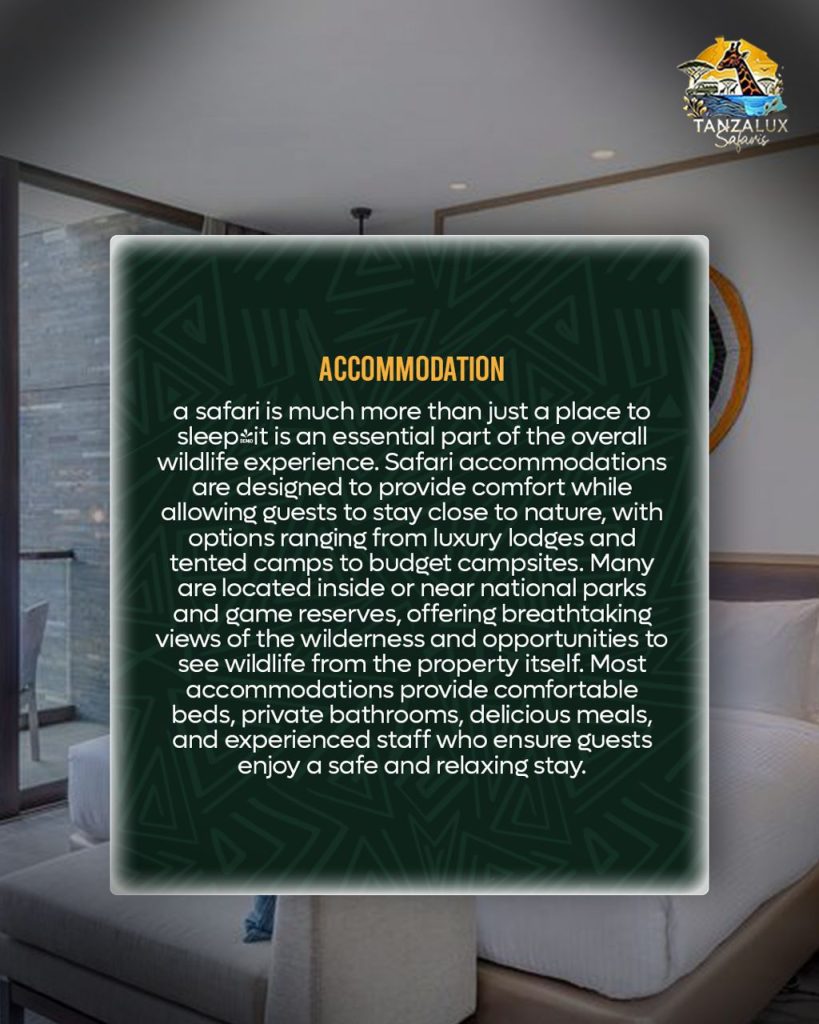
Accommodation is often the largest portion of your safari investment—and for good reason.
Unlike city hotels, safari lodges and tented camps operate in remote wilderness areas where everything must be transported over long distances. Many generate their own electricity, treat their own water, and employ local staff while maintaining high standards of comfort.
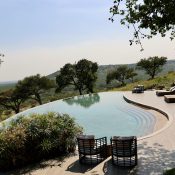
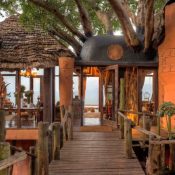
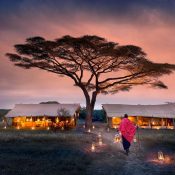
Whether you choose a luxury lodge overlooking the Serengeti, a charming tented camp near Tarangire, or a comfortable mid-range lodge in Ngorongoro, your accommodation includes much more than a bed.
Your stay typically covers:
- Comfortable rooms or luxury safari tents
- Freshly prepared meals
- Housekeeping services
- Stunning wildlife surroundings
- Safety and security
- Hospitality from experienced local teams
Sleeping close to nature is part of the safari itself. Imagine hearing lions roar in the distance or waking up to birdsong as the African sun rises over the savannah.
20% – Park Fees

Park fees are mandatory charges paid directly to Tanzania’s national parks and conservation authorities.
These fees play a critical role in protecting one of the world’s greatest wildlife destinations.
Your park fees help fund:
- Wildlife conservation
- Anti-poaching patrols
- Ranger salaries
- Road maintenance
- Scientific research
- Habitat protection
- Visitor facilities
- Environmental education
Without these fees, conserving Tanzania’s extraordinary wildlife would be impossible.
Every elephant you photograph, every lion you encounter, and every breathtaking landscape you enjoy is protected through these conservation efforts.
25% – Guide and Safari Vehicle
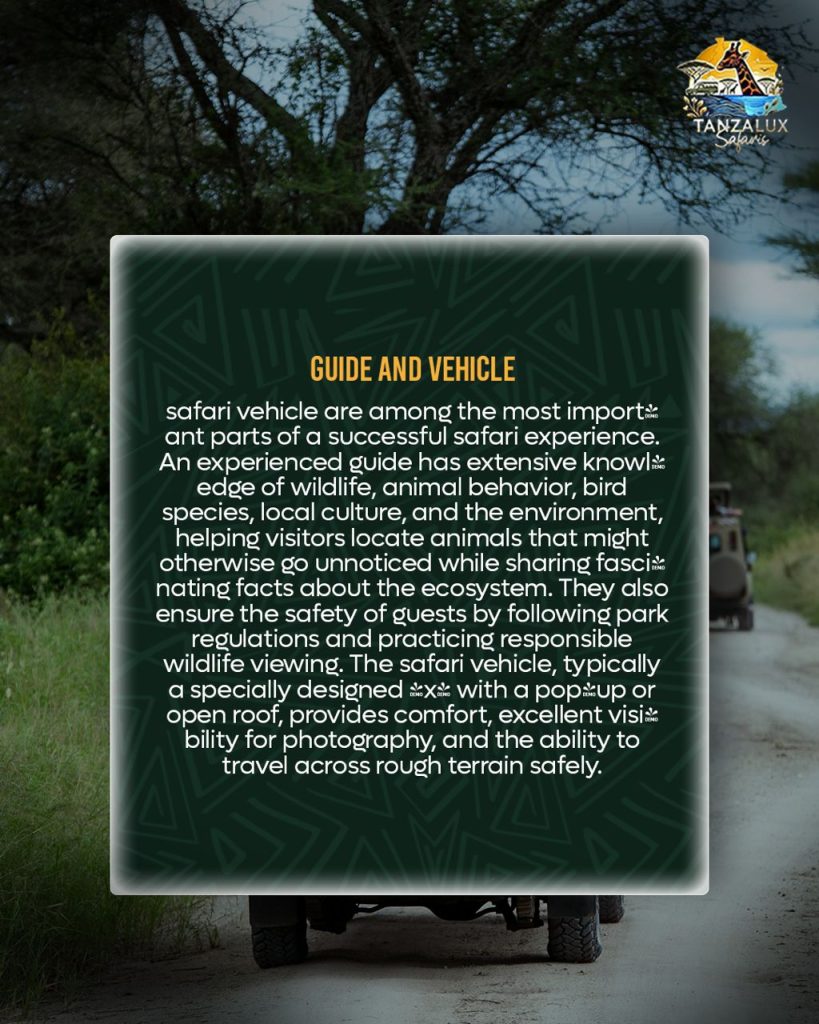
Your guide can make the difference between a good safari and an unforgettable one.
Professional safari guides spend years learning animal behavior, bird identification, ecology, local culture, and safe wildlife viewing practices.
They know:
- Where animals are likely to be
- How to track wildlife responsibly
- The best photography locations
- Seasonal migration patterns
- Hidden areas many visitors miss
Your safari vehicle is equally important.
Purpose-built 4×4 Land Cruisers are designed for rough terrain and provide:
- Pop-up roofs for wildlife viewing
- Comfortable seating
- Charging ports
- Refrigerated drinking water
- Safety equipment
- Regular maintenance
Maintaining safari vehicles is expensive, especially after thousands of kilometers across dusty national parks.
10% – Conservation and Community Support
Responsible tourism benefits more than visitors—it supports people and wildlife alike.
A portion of safari revenue helps:
- Support local communities
- Create employment
- Improve schools
- Fund healthcare initiatives
- Encourage wildlife conservation
- Reduce human-wildlife conflict
When local communities benefit from tourism, wildlife becomes more valuable alive than threatened.
Your safari helps create sustainable livelihoods while preserving Tanzania’s natural heritage for future generations.
10% – Operations and Logistics
Behind every successful safari is an enormous amount of planning.
This includes:
- Airport transfers
- Fuel
- Vehicle servicing
- Safari permits
- Reservation management
- Emergency support
- Professional trip planning
- Customer service
- Driver accommodation
- Insurance and safety compliance
Much of this work happens behind the scenes so your journey runs smoothly from arrival to departure.
What You’re Really Paying For
When people compare safari prices online, they often focus only on the final number.
But the real value comes from everything included:
- Experienced professional guides
- Reliable safari vehicles
- Carefully selected accommodations
- Protected national parks
- Delicious meals
- Safe travel
- Personalized service
- Wildlife conservation
- Community development
- Memories that last a lifetime
A safari is one of the few vacations where your spending directly contributes to protecting nature while supporting local livelihoods.
Why Choose Tanzalux Safaris?
At Tanzalux Safaris, we believe every guest deserves exceptional value, outstanding service, and complete transparency.
Our safaris are designed to provide:
- Private and tailor-made experiences
- Knowledgeable local guides
- Carefully selected lodges and camps
- Reliable 4×4 safari vehicles
- Honest pricing with no hidden surprises
- Personalized itineraries for couples, families, and groups
- A genuine commitment to conservation and responsible tourism
When you travel with Tanzalux Safaris, you’re not simply booking a safari—you are helping protect Tanzania’s incredible wildlife while supporting the communities that call these landscapes home.
Final Thoughts
The true value of a safari cannot be measured only by its price.
Every sunrise over the Serengeti, every elephant crossing your path, every lion resting beneath an acacia tree, and every smile from your guide is made possible by a network of conservationists, park rangers, local communities, hospitality teams, and safari professionals working together.
Your safari is more than a vacation—it is an investment in unforgettable memories and in the future of Tanzania’s wildlife.
Ready to experience the adventure for yourself? Contact Tanzalux Safaris today and let us help you plan a safari that’s worth every dollar.