
Safari Photography Tips: How to Capture Stunning Wildlife Photos in Tanzania
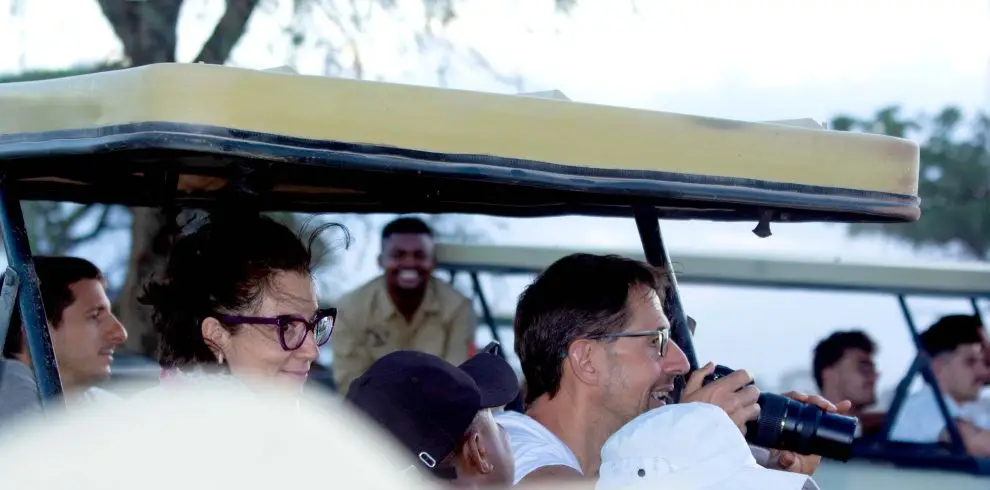
Safari Photography Tips: How to Capture Stunning Wildlife Photos in Tanzania
A safari in Tanzania is more than just a holiday it’s an opportunity to witness some of the world’s most breathtaking wildlife and landscapes. Every sunrise over the Serengeti, every elephant crossing the plains, and every lion resting beneath an acacia tree tells a story worth preserving. Whether you’re using a professional DSLR, mirrorless camera, or even a smartphone, knowing the right safari photography tips can help you capture unforgettable memories.
At TanzaLux Safaris, we understand that photography is one of the highlights of every safari. Our experienced guides know how to position the safari vehicle for the best lighting, safest viewing angles, and incredible photographic opportunities, ensuring every guest returns home with spectacular images.
Why Tanzania is a Paradise for Wildlife Photography
Tanzania is one of Africa’s most rewarding photography destinations because of its incredible diversity.
You’ll have the opportunity to photograph:
- The Big Five
- The Great Wildebeest Migration
- Elephants in Tarangire National Park
- Tree-climbing lions in Lake Manyara
- Flamingos at Lake Natron
- Black rhinos in the Ngorongoro Crater
- Cheetahs sprinting across the Serengeti
- Maasai culture and traditional villages
- Stunning African sunsets
From dramatic landscapes to intimate wildlife encounters, Tanzania offers endless photographic opportunities.
Top Safari Photography Tips
1. Bring the Right Camera Equipment
The best camera is the one you know how to use. While professional cameras provide excellent image quality, modern smartphones can also produce amazing safari photos.
Recommended gear includes:
- DSLR or mirrorless camera
- Telephoto lens (200–600mm)
- Wide-angle lens
- Extra batteries
- Multiple memory cards
- Lens cleaning cloth
- Camera rain cover
- Lightweight tripod or monopod (optional)
Always carry your equipment in a dust-resistant camera bag.
2. Use the Golden Hours
The best wildlife photographs are usually taken:
- Early morning
- Late afternoon
These “golden hours” provide:
- Soft natural light
- Rich colors
- Beautiful shadows
- Comfortable temperatures for wildlife activity
Midday sunlight can create harsh contrasts and washed-out colors.
3. Focus on the Animal’s Eyes
Sharp eyes make every wildlife photograph more powerful.
Whether you’re photographing:
- Lions
- Leopards
- Elephants
- Giraffes
- Birds
Always focus on the eyes whenever possible.
4. Be Patient
Nature doesn’t work on a schedule.
Sometimes the perfect shot comes after waiting quietly for several minutes.
Professional wildlife photographers often spend hours waiting for:
- Lions to yawn
- Leopards to climb trees
- Birds to take flight
- Elephants to interact
- Cheetahs to hunt
Patience rewards photographers with unforgettable moments.
5. Keep Your Distance
Never ask your guide to get too close to wildlife.
Respecting animals helps:
- Protect wildlife
- Capture natural behavior
- Ensure everyone’s safety
At TanzaLux Safaris, ethical wildlife viewing is always our priority.
6. Learn Basic Camera Settings
For moving wildlife:
- Fast shutter speed (1/1000 or faster)
- Continuous autofocus
- Burst mode
- Auto ISO when needed
These settings help freeze fast-moving animals like cheetahs and birds.
7. Tell a Story
Don’t only photograph animals.
Capture:
- Safari vehicles
- Dusty roads
- Sunrise landscapes
- Maasai villages
- Campfires
- Luxury lodges
- Picnic lunches
- Happy travel moments
These images create a complete safari story.
8. Include the Landscape
Tanzania’s scenery is just as impressive as its wildlife.
Photograph:
- Endless Serengeti plains
- Ngorongoro Crater
- Baobab trees
- Mount Kilimanjaro
- Lake Manyara
- Tarangire River
Wide landscape shots provide context and beauty.
9. Avoid Using Flash
Flash photography may disturb wildlife, especially during night drives.
Natural light always creates more authentic wildlife photographs.
10. Listen to Your Safari Guide
Your guide knows where animals are likely to appear and how to position the vehicle for the best photography angles.
TanzaLux Safaris‘ professional guides work closely with photographers to maximize every wildlife encounter.
Best Places in Tanzania for Safari Photography
Serengeti National Park
Perfect for:
- Big Cats
- Great Migration
- Endless landscapes
- Sunrise photography
Ngorongoro Crater
Excellent for:
- Black rhinos
- Lions
- Buffalo
- Zebras
- Dense wildlife populations
Tarangire National Park
Famous for:
- Giant elephant herds
- Ancient baobab trees
- Birdlife
- Dramatic landscapes
Lake Manyara National Park
Ideal for:
- Flamingos
- Tree-climbing lions
- Forest wildlife
- Scenic lake views
Arusha National Park
Perfect for:
- Giraffes
- Colobus monkeys
- Mount Meru
- Canoeing photography
Smartphone Safari Photography Tips
You don’t need expensive equipment to capture amazing memories.
For smartphone users:
- Clean your camera lens
- Avoid digital zoom
- Tap to focus
- Use HDR carefully
- Hold the phone steady
- Shoot during golden hours
- Take multiple photos
Modern smartphones can produce incredible safari images when used correctly.
What Makes TanzaLux Safaris Perfect for Photography?
At TanzaLux Safaris, we design safaris with photographers in mind.
Our advantages include:
- Professional local safari guides
- Flexible game drives
- Strategic wildlife viewing
- Comfortable 4×4 safari vehicles with pop-up roofs
- Personalized itineraries
- Luxury and budget safari options
- Knowledge of wildlife behavior
- Visits to Tanzania’s top photography locations
Whether you’re a beginner or an experienced wildlife photographer, we help you capture the magic of Tanzania.
Plan Your Photography Safari with TanzaLux Safaris
Imagine photographing a pride of lions under the golden African sunrise, elephants walking beneath towering baobab trees, or thousands of wildebeest crossing the Serengeti during the Great Migration. These unforgettable moments are waiting for you in Tanzania.
With TanzaLux Safaris, every game drive is carefully planned to give you the best opportunities for incredible wildlife photography. Our knowledgeable guides understand animal behavior, lighting conditions, and the best viewing locations, helping you return home with photographs you’ll treasure for a lifetime.
Book your Tanzania safari today with TanzaLux Safaris and experience the adventure, beauty, and unforgettable wildlife that make Tanzania one of the world’s greatest safari photography destinations.
Frequently Asked Questions
What is the best camera for a Tanzania safari?
A DSLR or mirrorless camera with a telephoto lens offers the best results, but modern smartphones can also capture excellent wildlife photos.
What lens is best for safari photography?
A telephoto lens between 200mm and 600mm is ideal for photographing wildlife from a safe distance.
When is the best time for safari photography in Tanzania?
Early morning and late afternoon provide the best natural lighting and the highest levels of wildlife activity.
Can beginners enjoy a photography safari?
Absolutely. TanzaLux Safaris welcomes photographers of all skill levels and our guides are happy to help you find the best wildlife viewing opportunities.
Which Tanzanian national park is best for wildlife photography?
Serengeti National Park is the top destination, followed by Ngorongoro Crater, Tarangire National Park, Lake Manyara National Park, and Arusha National Park.

Recent Posts

Safari Photography Tips: How to Capture Stunning Wildlife Photos in Tanzania
Your Ultimate First-Time Safari Guide
Why Safari Vehicles Matter for Wildlife Viewing
Quick booking process
+255 625 179 415